
Brink HRV Filters Explained: Complete Selection Guide
Brink HRV filters are essential components of your heat recovery ventilation system. This comprehensive guide explains different Brink filter types, classes, and how to choose the right replacement for optimal air quality and system performance.

Understanding Brink HRV Filters and Ventilation Systems
Brink ventilation filters are critical components designed to maintain air quality in residential and commercial spaces across Europe. Whether you own a Brink Air Excellent, Renovent, or Flair system, understanding your brink hrv filters is essential for maintaining optimal system performance. These brink wtw filters (Warmte Terugwinning / Heat Recovery Ventilation) work by filtering both incoming and outgoing air, preventing dust, pollen, and contaminants from entering your living space.
The importance of regular brink filter replacement cannot be overstated. As your brink ventilation filters accumulate dust and particles, they experience increased pressure drop, forcing your system to work harder and consume more energy. Most European homeowners should replace their filters every 3-6 months, depending on air quality and usage patterns.
Brink Filter Types and Classification Systems
Brink filter types are categorized using two primary standards: ISO 16890 and the older G4/M5/F7 classification. Understanding brink filter classes g4 m5 f7 helps you select the appropriate filtration level for your needs.
- G4 Filters: Coarse filters capturing particles larger than 10 micrometers. These are typically used as intake filters in Brink systems.
- M5 Filters: Medium-efficiency filters removing particles between 1-10 micrometers. Suitable for general residential applications.
- F7 Filters: Fine filters removing particles as small as 0.3 micrometers. Often used as extract filters in Brink systems.
- EPM1 Filters: Equivalent to ISO 16890 ePM1 (European Particulate Matter). These capture ultra-fine particles and are ideal for allergy sufferers.
- EPM10 Filters: Equivalent to ISO 16890 ePM10 standard, providing comprehensive protection against larger particles.
Modern brink air excellent filters, brink renovent filters, and brink flair filters models use the updated ISO 16890 classification, offering better particle capture efficiency and clearer performance metrics than older G4/M5/F7 systems.
Choosing the Right Brink Filter Set for Your System
Selecting the correct brink filter set requires understanding your specific Brink model and air quality requirements. The question "which brink filter do i need" depends on several factors:
Brink Filter Sizes and Models: Different Brink systems use different brink filter dimensions and measurements. Common brink filter sizes include:
- Brink Air Excellent 300 filters (smaller residential units)
- Brink Air Excellent 400 filters (medium residential systems)
- Brink Renovent Excellent filters (various capacities)
- Brink Flair 300 filters (compact systems)
- Brink Flair 400 filters (standard residential units)
When determining brink filter measurements mm, consult your system's documentation. Standard residential Brink filters typically measure 190x190mm, 250x250mm, or 300x300mm. The brink filter compatibility between models is limited, so always verify your exact model before purchasing.
A typical brink filter set g4 f7 or brink filter set m5 f7 includes both intake and extract filters. The brink intake vs extract filter distinction is crucial: intake filters (G4/ePM10) capture outdoor particles, while extract filters (F7/ePM1) remove indoor contaminants before air exits your home. Understanding brink filter airflow direction ensures proper installation and maximum efficiency.
Filter Replacement, Installation, and Maintenance
Proper brink filter installation and maintenance extend your system's lifespan and maintain brink filter performance. Follow this brink filter replacement guide for optimal results:
How to Replace Brink Filters:
- Turn off your Brink ventilation system completely
- Locate the filter compartments (typically marked for intake and extract sides)
- Note the brink filter airflow direction indicated by arrows on existing filters
- Remove the old filters carefully to avoid dispersing accumulated dust
- Clean the filter housing with a soft brush or vacuum
- Insert new filters with airflow arrows pointing in the correct direction
- Secure filter frames and close compartment doors
- Restart your system
How Often Replace Brink Filters: Replace filters based on visual inspection and system performance. Most homeowners benefit from replacement every 4-6 months, though high-pollution areas or homes with pets may require more frequent changes. Monitor your system's brink filter pressure drop if your unit displays this metric.
Brink Filter Efficiency and Performance: The brink filter efficiency rating indicates particle capture capability. G4 filters typically offer 40-60% efficiency, while F7 filters achieve 80-95% efficiency. Newer brink iso 16890 filters provide clearer performance data, showing exact filtration percentages for different particle sizes.
Brink Original vs Compatible Filters and Cost Considerations
Many European customers face the decision between brink original vs compatible filters or brink oem filters vs aftermarket alternatives. While brink original filters guarantee perfect compatibility, compatible filters brink hrv systems often provide excellent value without compromising performance.
Finding the Right Brink Filter Alternative: When shopping for brink filter alternative options or seeking cheap brink filters, verify compatibility using the brink filter cross reference system. Always check the brink filter model compatibility before purchasing aftermarket options. The brink filter buying guide recommends comparing performance ratings (efficiency and pressure drop) rather than brand names alone.
For best filters for brink ventilation, prioritize filters with:
- Certified ISO 16890 or EN 779 ratings
- Low pressure drop (typically under 100 Pa at rated airflow)
- Proper physical dimensions matching your unit
- Correct airflow direction capability
- Energy-efficient design reducing system strain
Brink Filters Online and Europe Shipping: Ordering brink filters online offers convenience and competitive pricing. Ensure suppliers provide brink filters europe shipping and clear product specifications including exact dimensions and compatibility information. Many European retailers stock common sizes, reducing shipping times and costs.
For Dutch-speaking customers: brink wtw filter vervangen follows the same procedures outlined above. When searching for brink wtw filters maat, brink filter afmetingen, or brink filter compatibiliteit information, consult your system manual or contact the retailer for guidance on welke brink filter heb ik nodig.
Regular maintenance with appropriate brink pollen filter and brink carbon filter options ensures your Brink system maintains peak performance year-round. Whether dealing with seasonal pollen, odors, or general air quality concerns, matching the right filter type to your specific needs delivers superior air quality and system longevity across European homes.
Frequently asked questions
What is the difference between Brink G4, M5, and F7 filter classes?
How often should I replace my Brink HRV filters?
How do I know which Brink filter size and model I need?
Are compatible Brink filters as good as original OEM filters?
Recommended filters
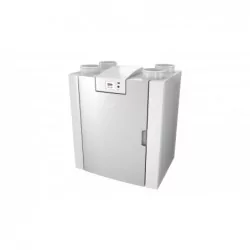
Brink Flair 325/400 FILTER SET (510x245x5)
- Dimensions (mm)
- 510X245X5
- The set includes:
- Filters - 2 pcs.
- Delivery of goods
- Delivery cost is calculated at checkout based on your country.
- model
- Flair 325
- model
- Flair 400
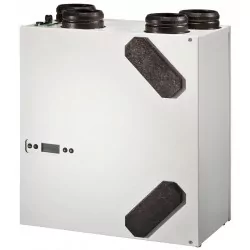
Brink Renovent Excellent 180 / Renovent Small FILTER SET (290x136x5)
- Dimensions (mm)
- 290X136X5
- The set includes:
- Filters - 2 pcs.
- Delivery of goods
- Delivery cost is calculated at checkout based on your country.
- model
- Renovent Excellent 180 / Renovent Small
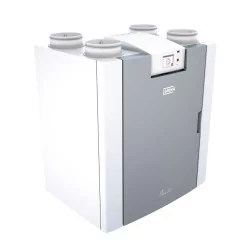
BRINK FLAIR 225 FILTER SET (400x215x5)
- Dimensions (mm)
- 400X215X5
- The set includes:
- Filters - 2 pcs.
- Delivery of goods
- Delivery cost is calculated at checkout based on your country.
- model
- Flair 225
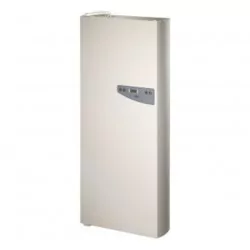
BRINK ADVANCE FILTER SET (180X148X25)
- Dimensions (mm)
- 180X148X25
- The set includes:
- Filters - 2 pcs.
- Delivery of goods
- Delivery cost is calculated at checkout based on your country.
- model
- Advance
Need the right filter for your HRV system?
Fast EU-wide delivery · Compatible replacements · Certified quality
Related articles

Brink HRV Filters: Complete Compatibility List

Komfovent Filter Replacement Guide: All Models
