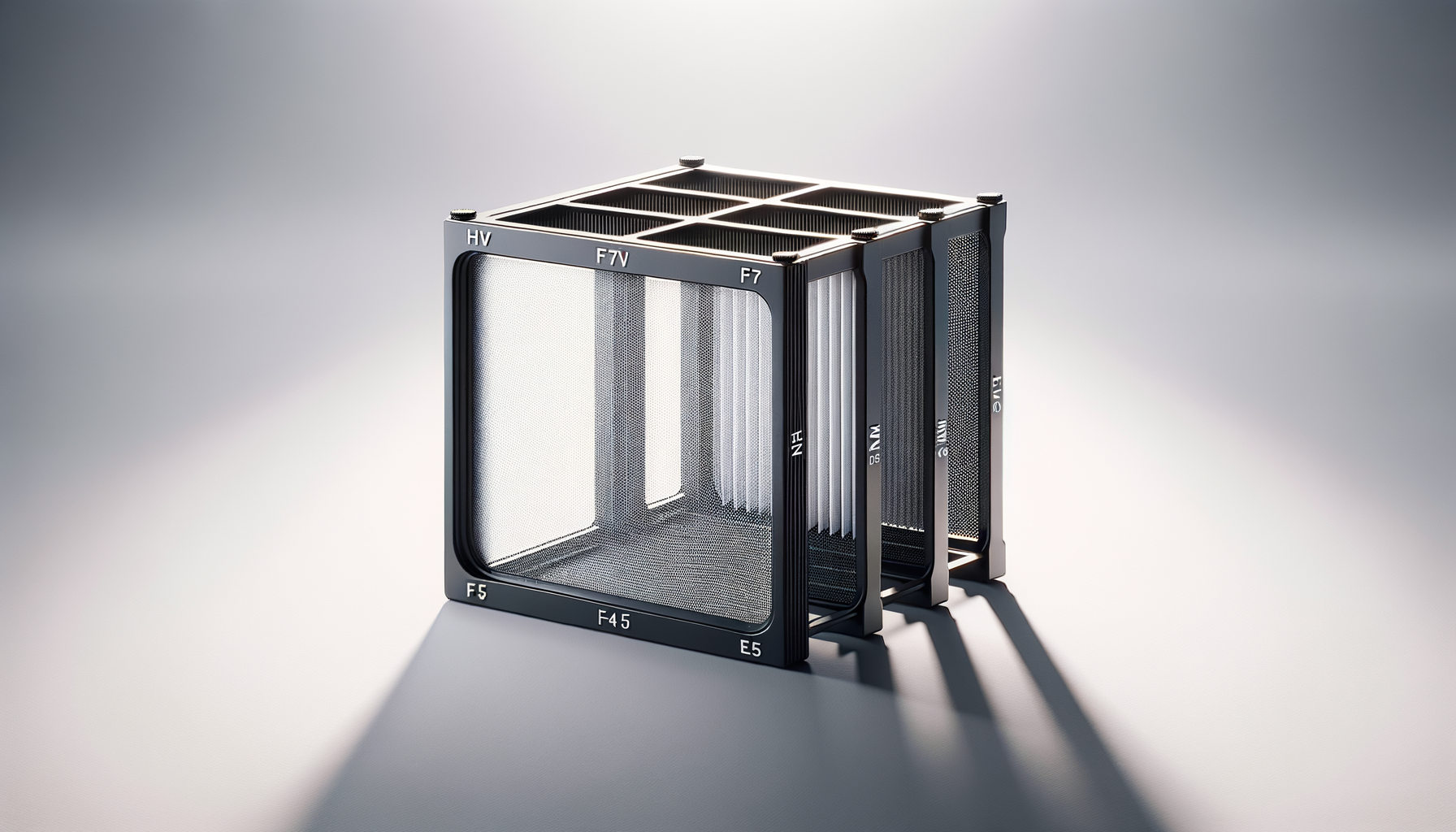
Best Filters for City Pollution: Complete Guide
Living in a city exposes you to high levels of air pollution including particulate matter, nitrogen dioxide, and smog. Choosing the right filter for your home or ventilation system is crucial for protecting your health and maintaining clean indoor air quality.
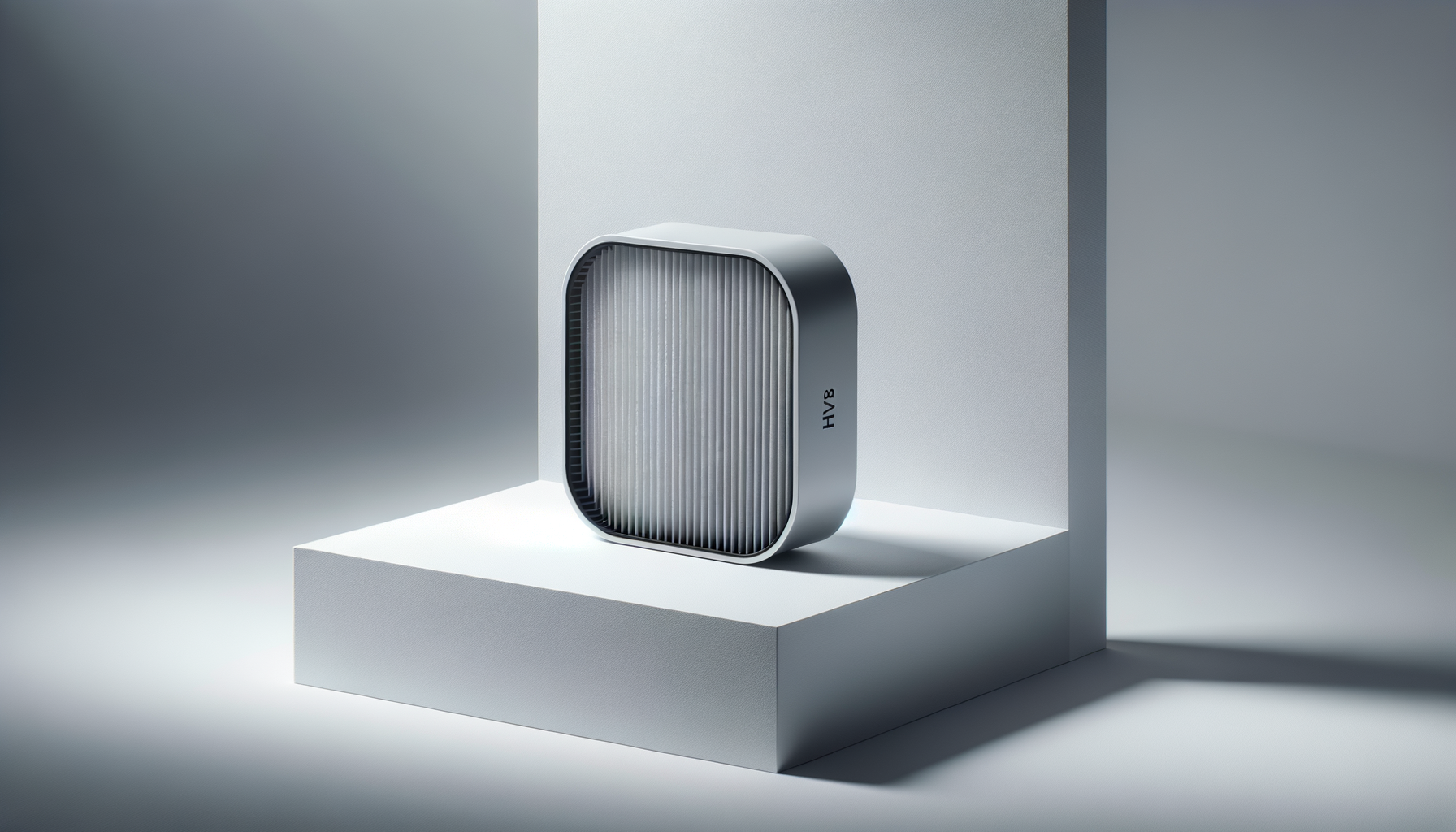
Understanding City Air Pollution
Urban environments face unique air quality challenges. City pollution typically contains:
- Particulate Matter (PM2.5 and PM10) — tiny particles from vehicle exhaust, industrial emissions, and construction
- Nitrogen Dioxide (NO₂) — a harmful gas produced by car engines and power plants
- Ozone — ground-level ozone formed from reactions between pollutants and sunlight
- Volatile Organic Compounds (VOCs) — harmful chemicals from traffic and industrial sources
These pollutants penetrate homes through windows, doors, and ventilation systems, making effective filtration essential for city residents.
Types of Filters Best for City Pollution
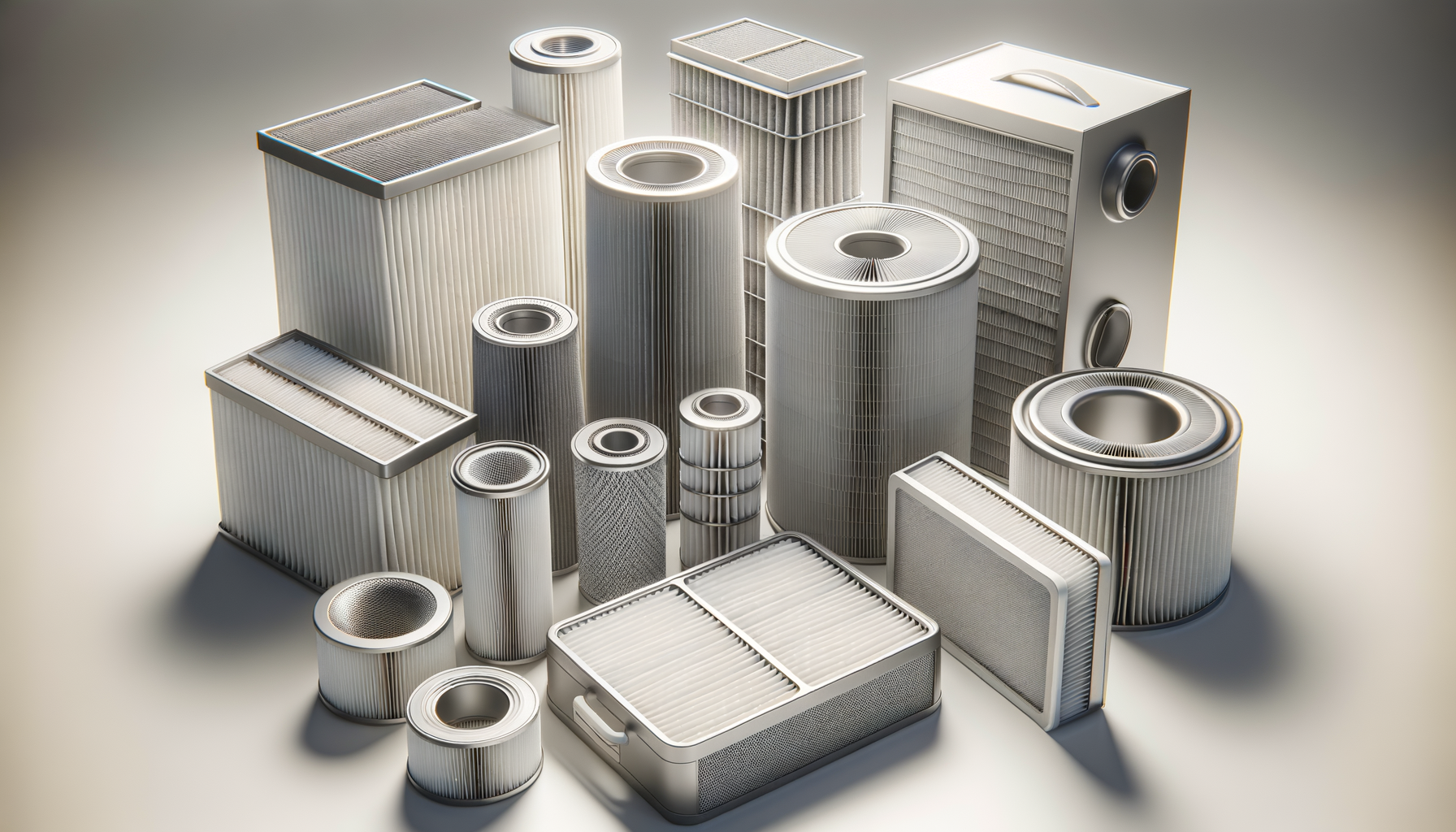
HEPA Filters are among the most effective options for city pollution. HEPA (High-Efficiency Particulate Air) filters can capture 99.97% of particles 0.3 micrometres and larger, making them excellent for removing PM2.5 and PM10 from your indoor air. These filters work by forcing air through a dense mesh that traps fine particles.
Activated Carbon Filters complement HEPA filtration by removing odours, gases, and chemical pollutants like nitrogen dioxide and ozone. Activated carbon has a porous structure that absorbs volatile organic compounds and other gaseous pollutants that HEPA filters cannot catch.
Combination Filters that pair HEPA and activated carbon technology provide comprehensive protection against both particle and gas pollution common in cities. Many modern air purifiers and ventilation systems use this layered approach for optimal results.
For residents with HRV recuperator systems, specialised recuperator filters designed to handle urban pollution are available. These filters prevent contaminated city air from entering your living spaces while maintaining heat recovery efficiency during winter months.
Choosing the Right Filter Rating for Urban Environments
Filter effectiveness is measured by MERV (Minimum Efficiency Reporting Value) and ISO ratings:
- MERV 13-16 filters — ideal for city pollution, capturing fine particles and some gases
- MERV 17+ filters — medical-grade filtration for severe pollution areas or high-sensitivity households
- ISO 14644-1 — international standard for cleanroom-level air filtration
For city dwellers, MERV 13 or higher is recommended. These ratings ensure your filter removes the majority of harmful particles and contaminants found in urban air pollution.
Installation and Maintenance Tips
To maximise filter performance in polluted city environments:
- Replace filters regularly — city pollution accumulates faster on filters, typically requiring replacement every 3-4 months instead of 6-12 months in rural areas
- Seal your system properly — ensure no air bypasses your filter through gaps or cracks in ventilation ducts
- Use pre-filters — add a pre-filter stage to extend the life of your main HEPA or activated carbon filter
- Monitor air quality — use air quality monitors to track pollution levels and adjust filtration as needed during high-pollution days
- Maintain your HRV recuperator — if using a heat recovery ventilation system, ensure filters and heat exchanger are cleaned regularly
Proper installation and maintenance ensure your filters perform optimally and protect your home from city pollution effectively.
Frequently asked questions
What is the difference between HEPA and activated carbon filters?
How often should I replace my air filter in a city?
Can a filter remove nitrogen dioxide and ozone from city air?
What MERV rating do I need for city pollution?
Need the right filter for your HRV system?
Fast EU-wide delivery · Compatible replacements · Certified quality
Related articles
How to Match Filters to Your Ventilation System
How to Identify Your HRV Model Before Buying Filters
Best Filters for Allergies: Complete Guide 2024