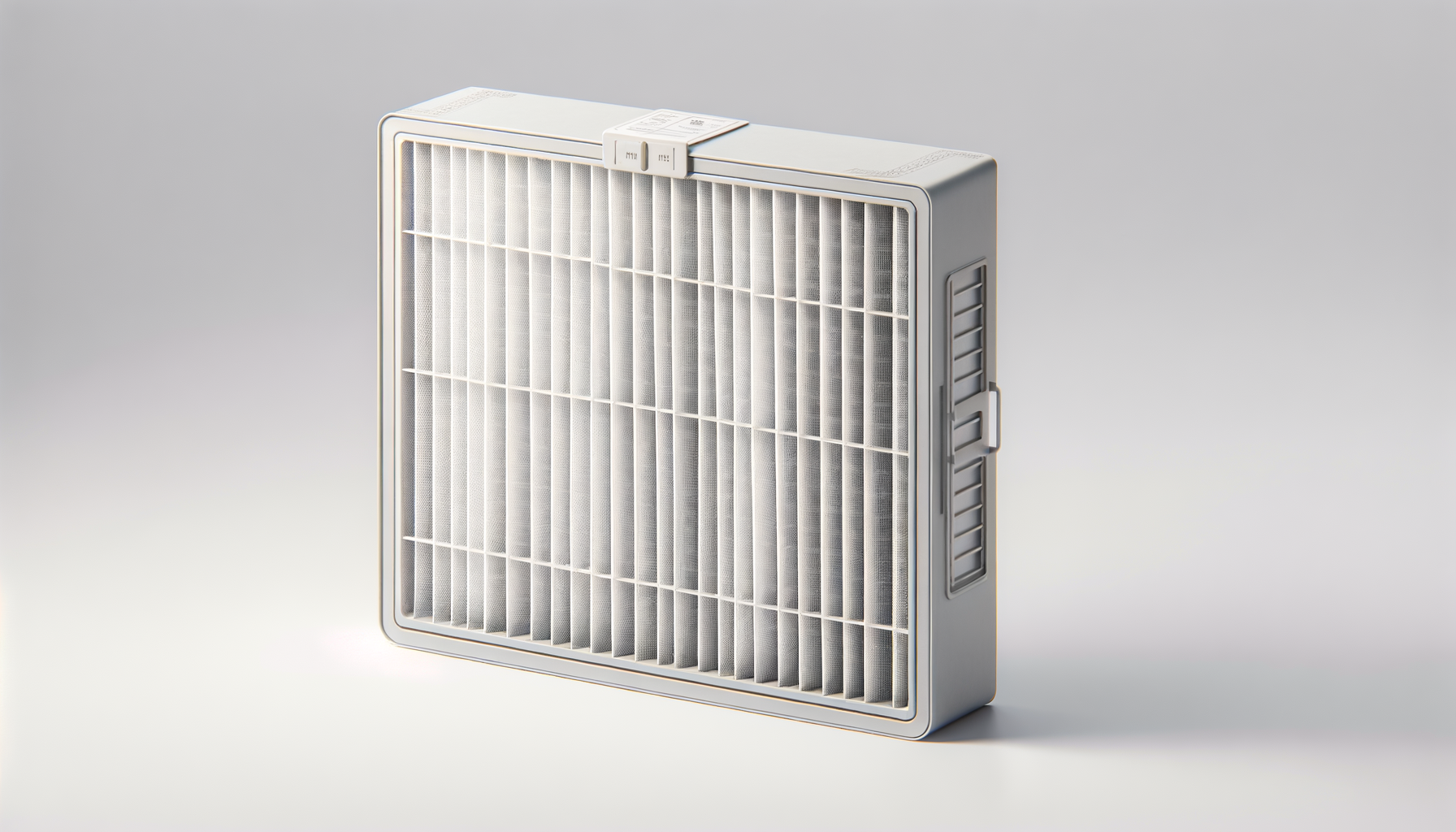
Best Filters for Allergies: Complete Guide 2024
Allergies affect millions of Europeans, and the right filter makes a real difference. This guide explains which filters combat allergens most effectively and how to choose the best solution for your home or workspace.
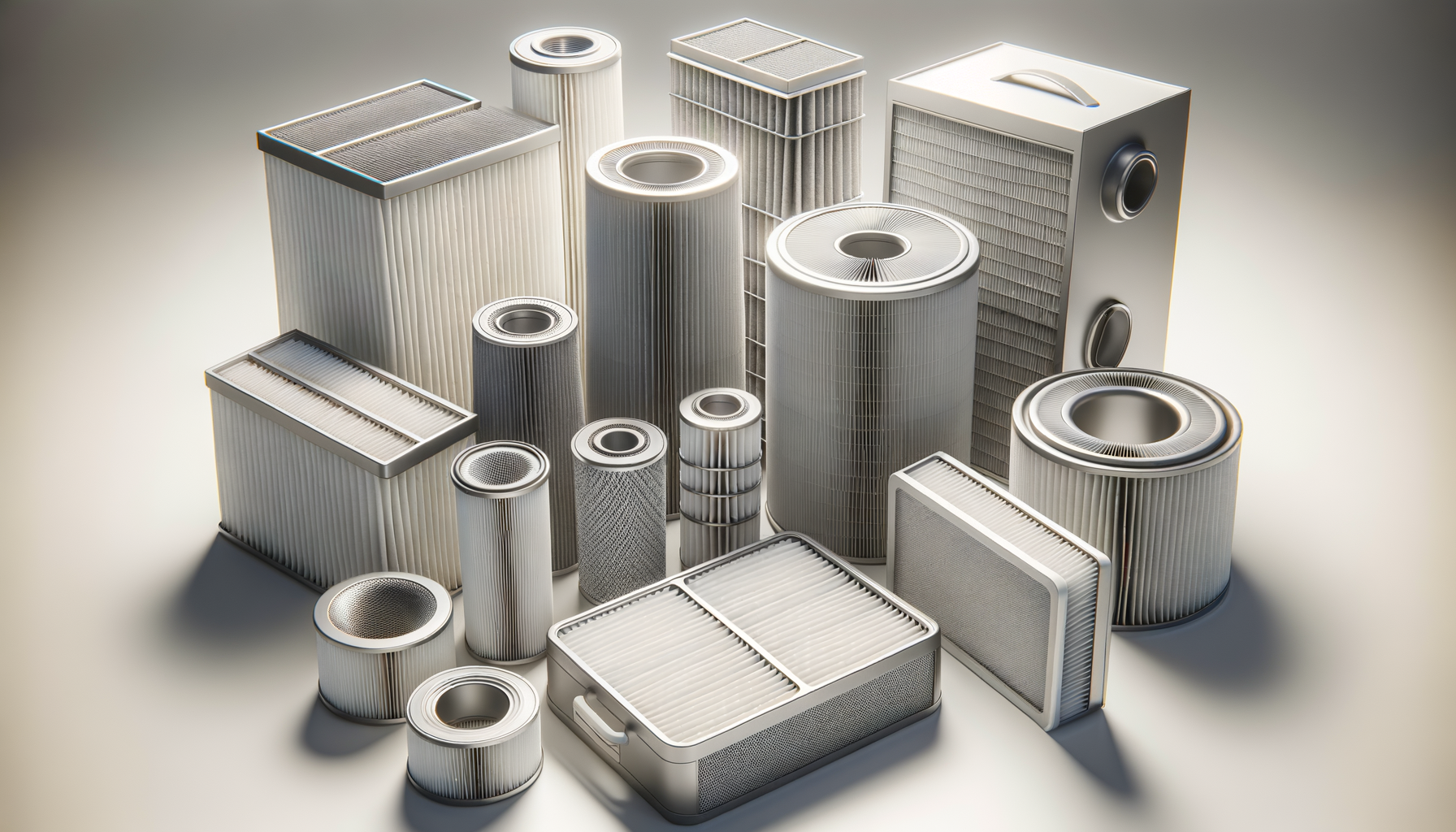
Understanding Allergies and Air Filtration
Allergies triggered by airborne particles—pollen, dust mites, pet dander, and mold spores—can severely impact quality of life. These microscopic allergens circulate through indoor air, settling on surfaces and being inhaled repeatedly. Effective air filtration removes these particles before they reach your lungs, reducing allergic reactions and respiratory discomfort.
The key to allergy relief is understanding filter ratings and technologies. Not all filters are created equal, and choosing the wrong type wastes money while failing to protect your health.
HEPA Filters: The Gold Standard for Allergies
HEPA (High-Efficiency Particulate Air) filters are the most effective option for allergy sufferers. These filters capture 99.97% of particles as small as 0.3 micrometers—small enough to trap pollen, dust mites, and most allergens.
- True HEPA filters meet strict EN 1822 standards and offer maximum protection
- H13 grade filters capture 99.95% of particles, ideal for sensitive individuals
- H14 grade filters provide hospital-level filtration for severe allergies
- Cost-effective for long-term allergy management
- Suitable for use in air purifiers, vacuum cleaners, and HRV recuperator units
At filters1.eu, we stock genuine HEPA filters designed specifically for European ventilation systems and recuperators. Regular replacement every 6-12 months ensures continuous protection.
Activated Carbon and Multi-Stage Filtration
While HEPA captures particles, activated carbon filters remove odours, volatile organic compounds (VOCs), and chemical irritants that can trigger allergic reactions. The best allergy solution combines both technologies.
Multi-stage filtration systems work in layers:
- Pre-filter stage: Removes larger particles (dust, lint)
- HEPA stage: Traps allergen particles
- Activated carbon stage: Eliminates odours and chemical irritants
This approach is particularly effective for people with chemical sensitivities alongside traditional allergies. Many modern HRV recuperator filters integrate all three stages for comprehensive air purification.
Choosing the Right Filter for Your Needs
Selecting the best filter depends on several factors:
- Room size: Larger spaces need higher-capacity filters or more frequent replacement
- Allergy severity: Severe cases benefit from H14 or hospital-grade filters
- Allergen type: Pet owners may need additional carbon filtration; pollen sufferers need high-efficiency mechanical filters
- Existing systems: HRV recuperator filters, ventilation units, and air purifiers each have specific requirements
- Budget: Premium HEPA filters cost more but last longer and work harder
Filters1.eu specializes in matching customers with appropriate filtration solutions. Our product range includes filters for residential ventilation systems, commercial applications, and specialist allergy needs across Europe.
For best results, replace filters every 6-12 months depending on air quality and usage. Clogged filters lose efficiency and force systems to work harder, wasting energy.
Additional Tips for Allergy Management
Filtration is one part of comprehensive allergy control. Combine filter upgrades with these practices:
- Maintain humidity levels between 30-50% to reduce dust mite populations
- Use air purifiers with HEPA filters in bedrooms and living spaces
- Install quality ventilation filters in HRV recuperator systems
- Vacuum with HEPA-filtered vacuum cleaners weekly
- Wash bedding in hot water weekly to eliminate dust mites
- Keep windows closed during high pollen seasons
At filters1.eu, we understand that allergy management requires reliable, high-quality products. Our HEPA and specialist air quality filters are designed to integrate seamlessly with European ventilation standards and systems.
Frequently asked questions
What does HEPA filtration actually remove?
How often should I replace allergy filters?
Are HEPA filters effective for pet allergies?
What is the difference between H13 and H14 filters?
Need the right filter for your HRV system?
Fast EU-wide delivery · Compatible replacements · Certified quality
Related articles
How to Match Filters to Your Ventilation System
How to Identify Your HRV Model Before Buying Filters
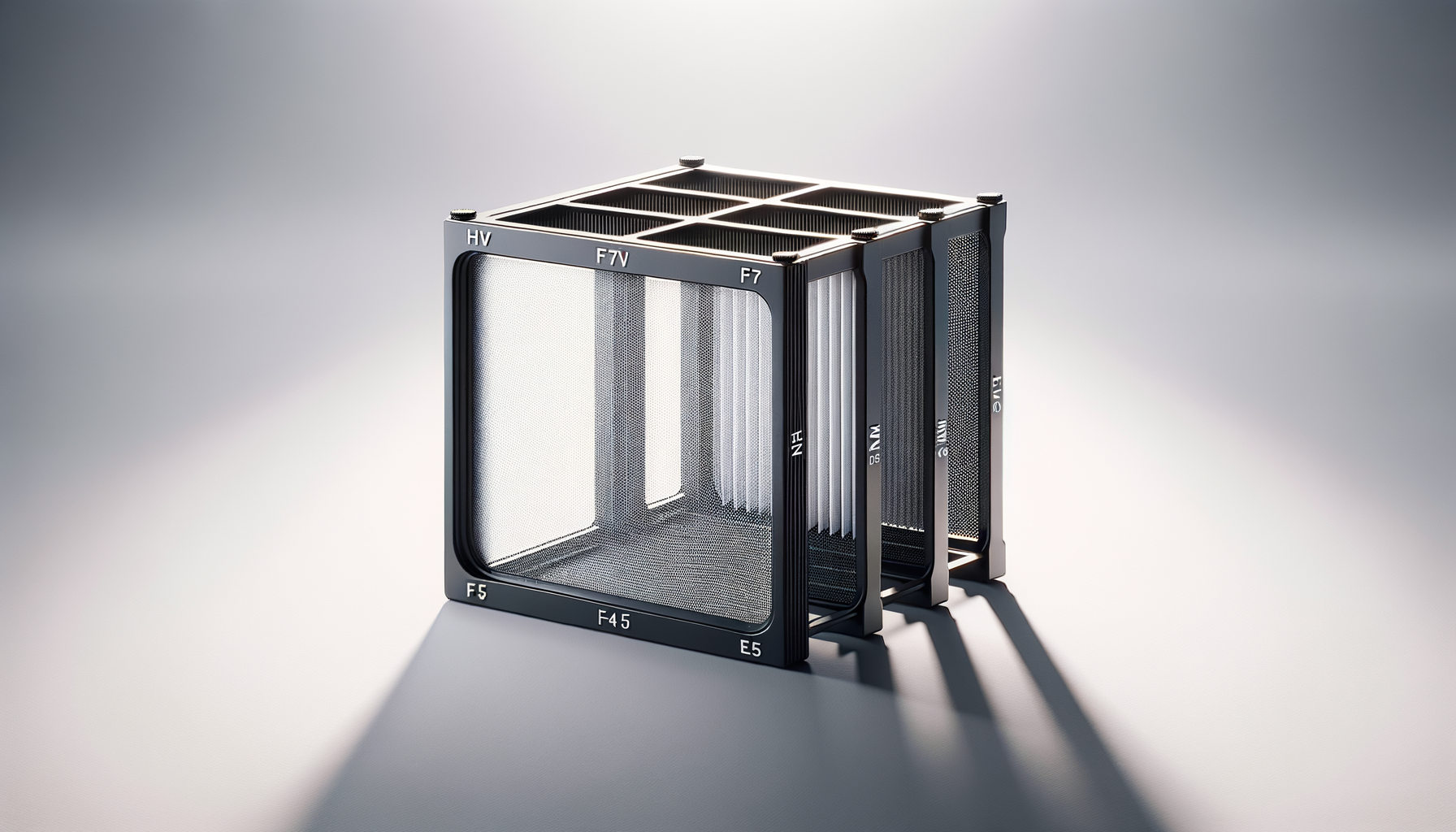
HRV Filters Comparison: F7 vs M5 vs ePM1 vs ePM10