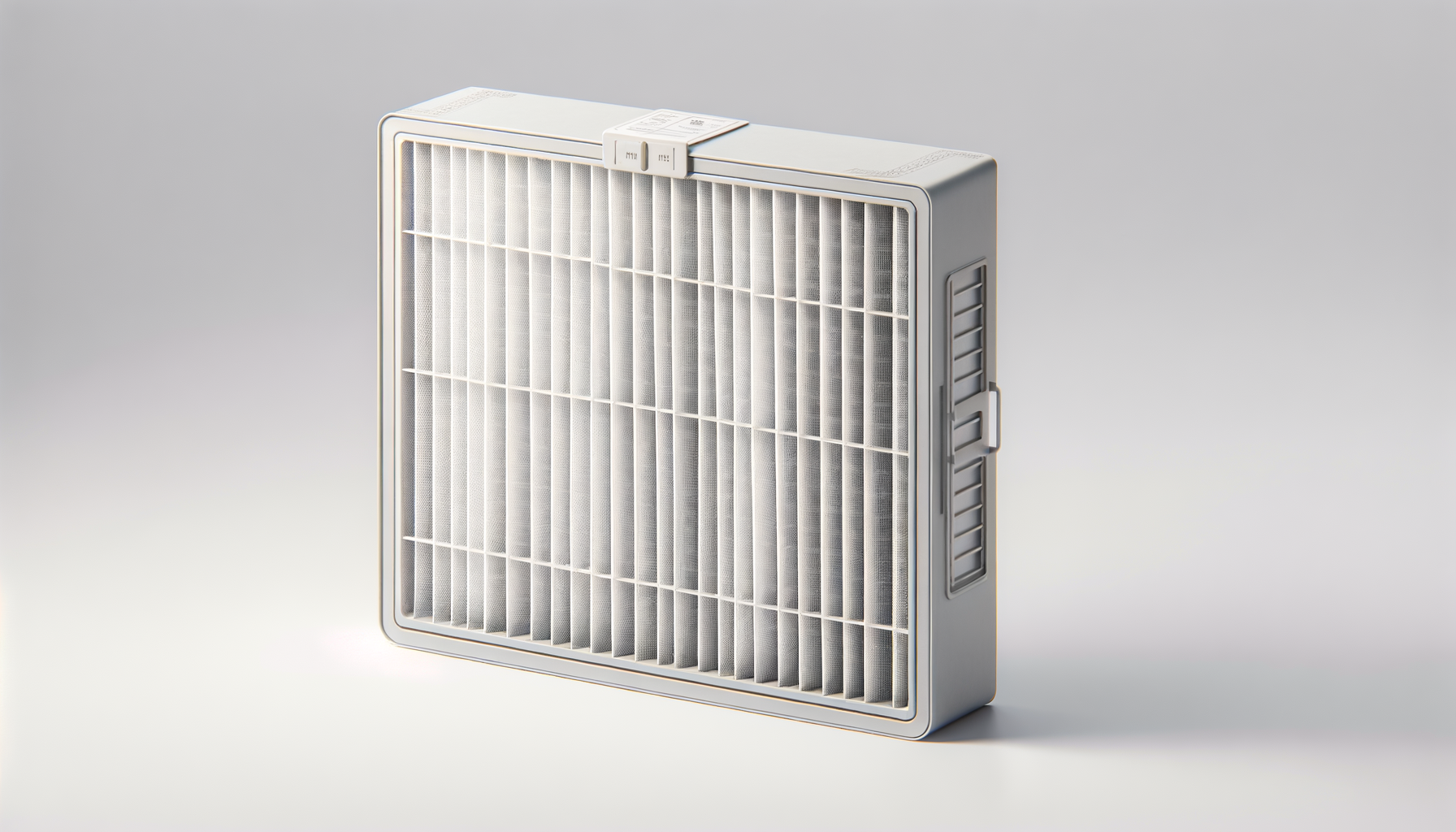
How to Match Filters to Your Ventilation System
Selecting the correct filter for your ventilation system is essential for optimal air quality and system efficiency. This comprehensive guide walks you through the key factors to consider when matching filters to your specific ventilation setup.
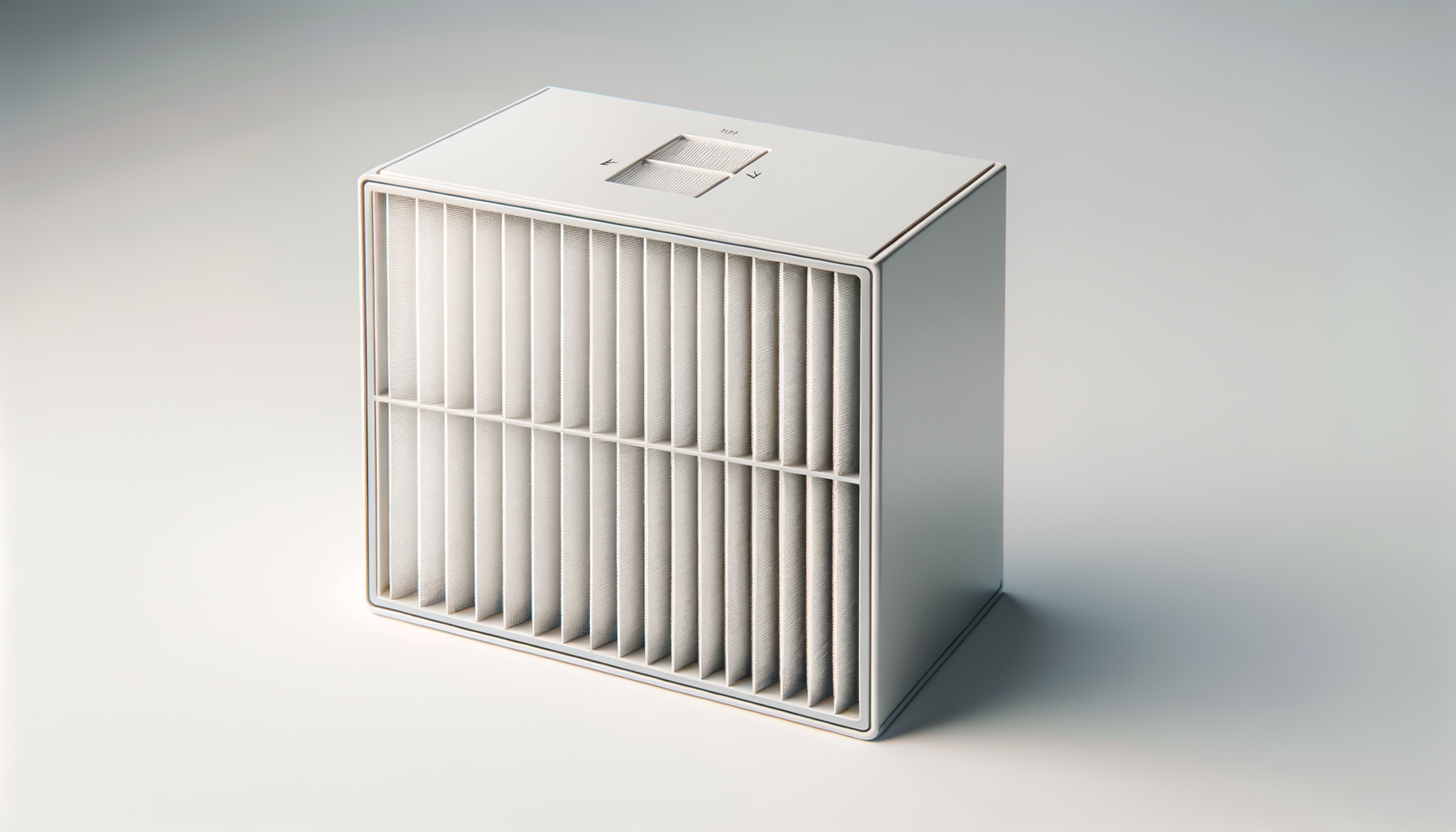
Understanding Your Ventilation System Type
Before you can match the right filter to your ventilation system, you need to identify what type of system you have. There are several common ventilation systems used in European homes and commercial spaces, each requiring different filter specifications.
Mechanical ventilation systems with heat recovery (HRV) are increasingly popular in modern buildings. These systems extract stale air from your home while recovering heat energy and filtering incoming fresh air. HRV recuperator filters are specifically designed for these systems and play a crucial role in maintaining indoor air quality.
Other systems include:
- Central ventilation units without heat recovery
- Exhaust-only ventilation systems
- Balanced ventilation without energy recovery
- Portable air purifiers with built-in filtration
Understanding which system you have is the first step toward finding the perfect match.
Key Specifications for Filter Selection
Once you've identified your ventilation system type, focus on these critical specifications:
Filter Size and Dimensions
Filters come in standardized sizes, but variations exist across manufacturers. Always check your system's manual or the existing filter for exact dimensions. Common sizes include 190x190mm, 287x287mm, and 490x490mm, though custom dimensions are also available.
Filter Type and Efficiency Rating
Filter types are categorized by their efficiency levels. The most common rating system uses letters like G (coarse), M (medium), and F (fine), followed by numbers indicating efficiency percentage. For example:
- G4 filters capture larger particles like dust and pollen
- M5-M6 filters target fine dust and mold spores
- F7-F9 filters remove microscopic particles and allergens
Airflow Compatibility
Your ventilation system has a specific airflow capacity measured in cubic meters per hour (m³/h). The filter you choose must support this airflow without causing excessive pressure drop, which reduces system efficiency.
Pressure Drop Ratings
This measures the resistance the filter creates to airflow. Lower pressure drop means better energy efficiency, but you must balance this with the filtration level you need.
Step-by-Step Filter Matching Process
Follow this practical approach to find your ideal filter match:
Step 1: Check Your System Documentation
Locate your ventilation system manual or specification sheet. Note the system model, maximum airflow capacity, and recommended filter sizes.
Step 2: Measure Your Current Filter
If you have an existing filter, measure its dimensions precisely. Record the length, width, and thickness. Also note any model numbers printed on the filter frame.
Step 3: Identify Your Air Quality Needs
Consider your environment:
- Urban areas with pollution require higher efficiency filters (F-class)
- Allergy sufferers benefit from M or F-class filters
- Rural areas may need only G or M-class filters
- Households with pets require fine filtration
Step 4: Verify Energy Consumption Goals
Balance filtration efficiency with energy costs. Higher efficiency filters need more energy to push air through, increasing operational costs. Find the sweet spot for your needs.
Step 5: Cross-Reference Compatible Products
Use the filter specifications you've gathered to search our product catalog. Match size, type, and efficiency rating to find compatible options.
Common Filter Compatibility Mistakes to Avoid
Many customers encounter problems by overlooking simple details:
Assuming All Filters Fit
Different brands use proprietary frame designs. A filter that fits one system may not fit another, even if dimensions seem similar. Always verify compatibility before purchasing.
Ignoring Pressure Drop Specifications
Installing a filter with too high pressure drop can damage your ventilation system's motor and reduce efficiency by up to 30%. Check that the pressure drop rating matches your system's capabilities.
Choosing Filters Based on Price Alone
Budget options might seem economical but often require more frequent replacement and provide poor air quality improvement. Invest in quality filters that match your system's design specifications.
Forgetting About Replacement Schedules
Filter lifespan varies by type and environment. Before purchasing, confirm the expected replacement frequency. Some filters last 3 months, others 12 months. Ensure you're prepared for regular maintenance costs.
Not Considering Your System's Actual Capacity
If you install a filter designed for a higher airflow system into a lower-capacity unit, you may restrict air circulation. Always match filter specifications to your system's rated capacity.
At Filters1.eu, we provide detailed product specifications and compatibility information to prevent these common mistakes. Our team is ready to help you find the perfect match for your specific ventilation needs.
Frequently asked questions
How do I find my ventilation system's filter size?
What does the filter efficiency rating mean?
Can I use a different brand filter in my ventilation system?
How often should I replace my ventilation filters?
Need the right filter for your HRV system?
Fast EU-wide delivery · Compatible replacements · Certified quality
Related articles
How to Identify Your HRV Model Before Buying Filters

Best Filters for Allergies: Complete Guide 2024
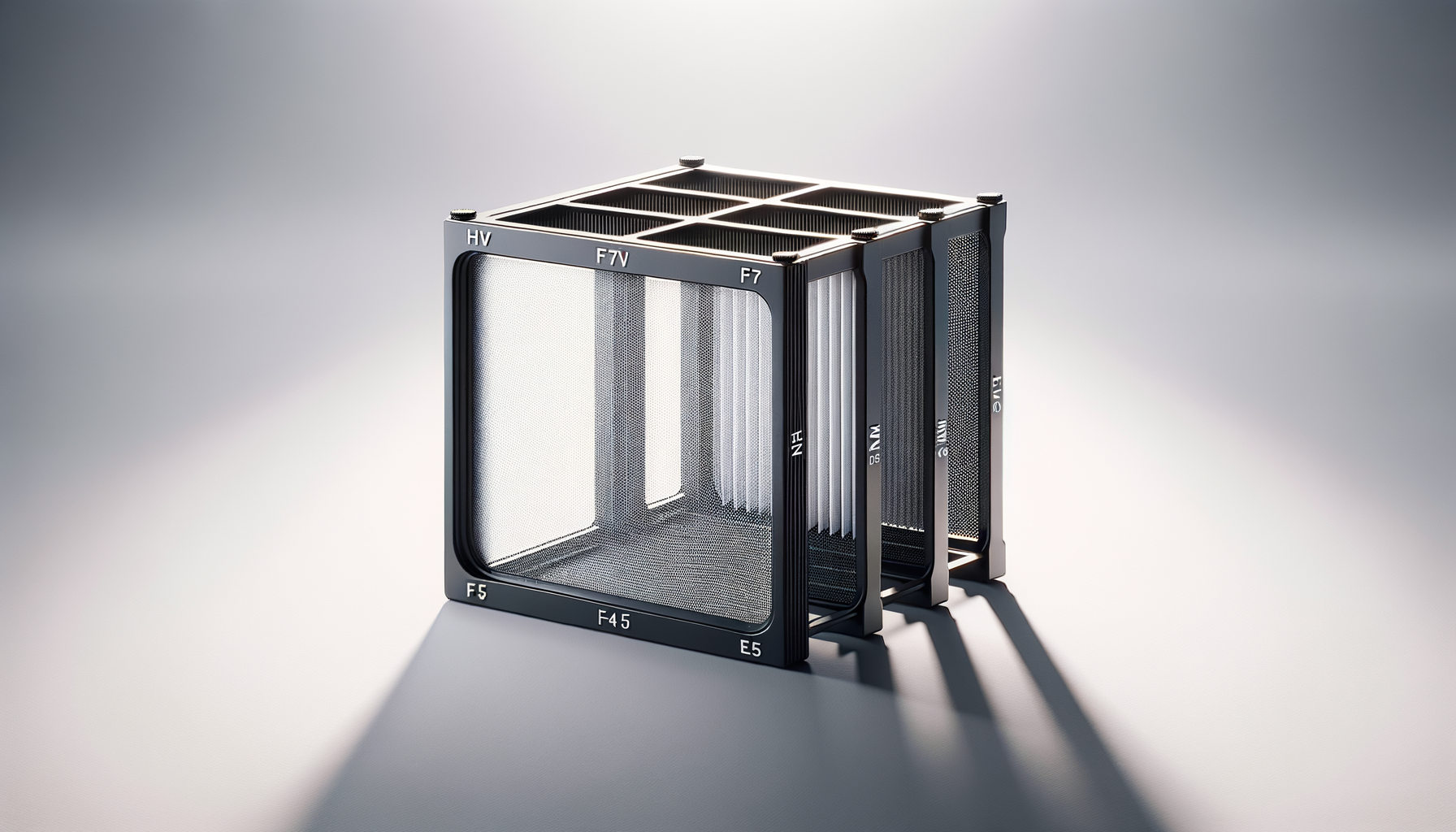
HRV Filters Comparison: F7 vs M5 vs ePM1 vs ePM10