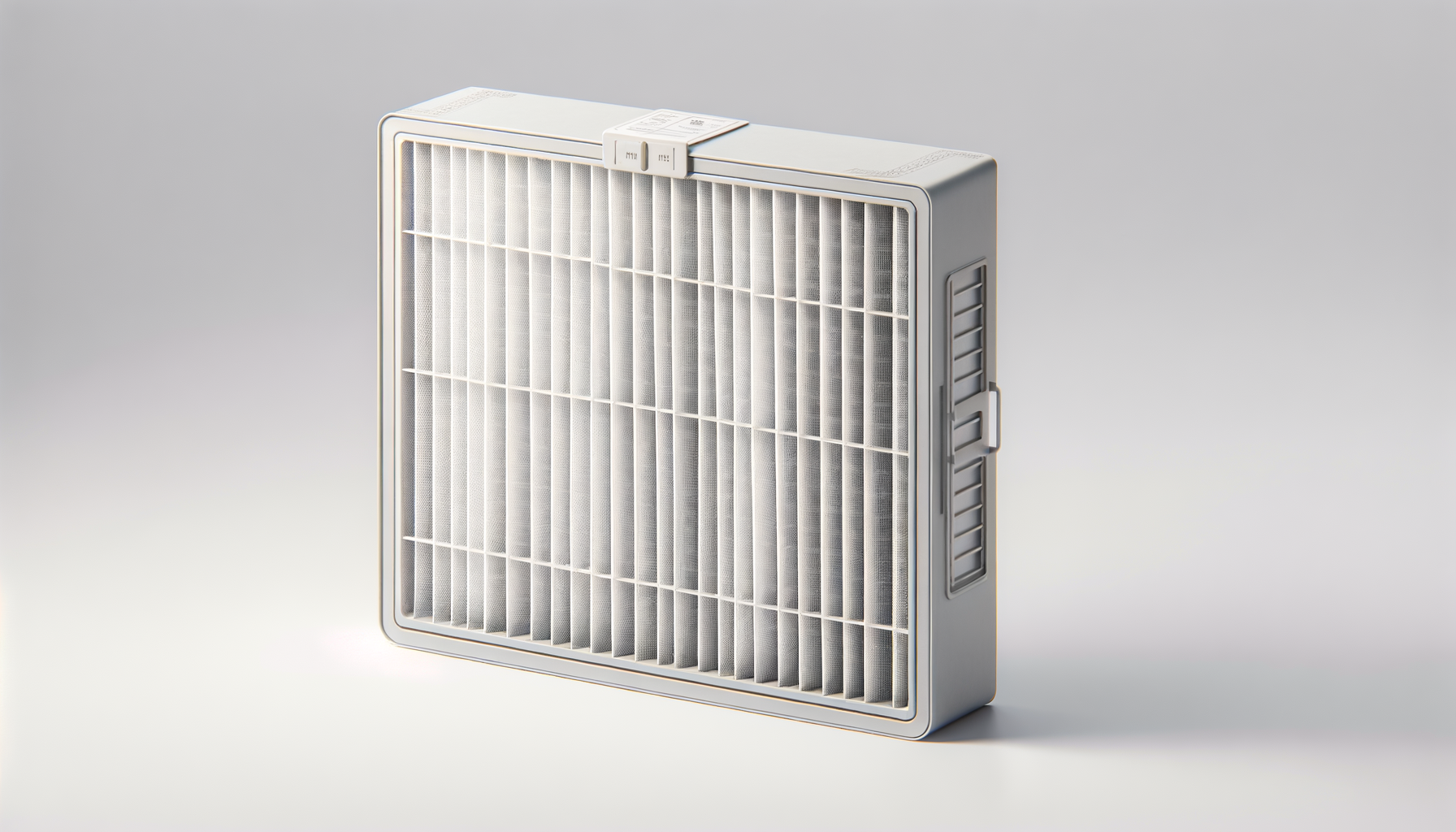
HRV Filters Comparison: F7 vs M5 vs ePM1 vs ePM10
Choosing the right HRV filter can be confusing with so many standards and classifications available. This guide compares F7, M5, ePM1, and ePM10 filters to help you understand the differences and select the best option for your ventilation system.
Understanding HRV Filter Classifications
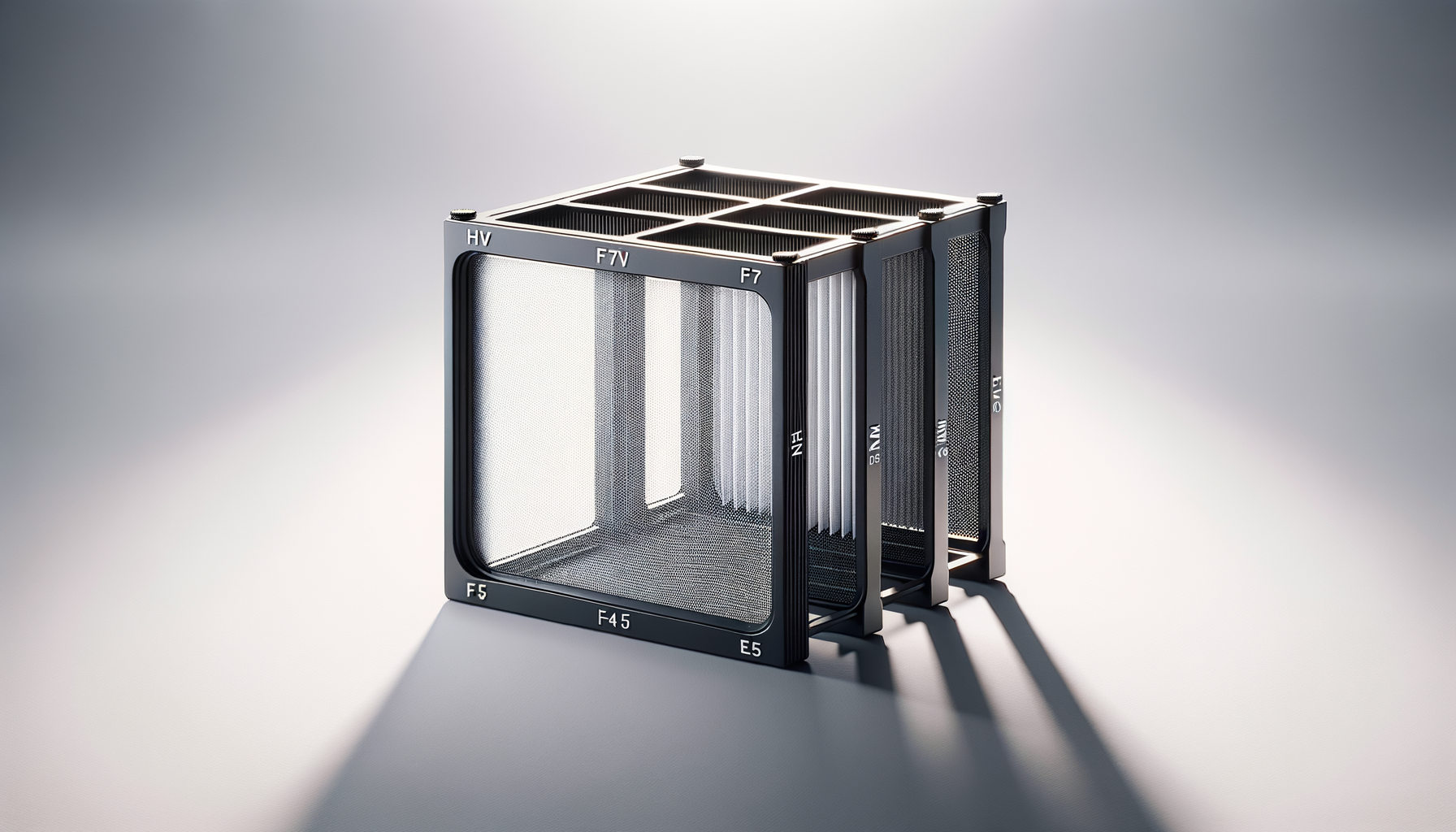
HRV (Heat Recovery Ventilation) systems require regular filter maintenance to operate efficiently. The filters you choose directly impact air quality, energy efficiency, and system longevity. Different classification systems exist worldwide, including the European EN 779 standard (F7, M5) and the newer ISO 16890 standard (ePM1, ePM10). Understanding these classifications helps you make an informed decision when purchasing replacement filters.
At filters1.eu, we stock a wide range of HRV filters to meet various requirements and budgets. Whether you need basic dust protection or advanced particle filtration, our selection includes all major filter classes.
F7 and M5 Filters: The Traditional Standard
M5 filters represent the entry-level option in the EN 779 classification system. These filters capture particles down to approximately 10 micrometers and are suitable for basic dust removal in residential ventilation systems. They offer good airflow and are among the most affordable options available.
F7 filters provide superior filtration compared to M5, capturing particles as small as 1 micrometer. They are ideal for homes concerned about pollen, dust mites, and pet hair. F7 filters strike a balanced approach between filtration performance and cost-effectiveness, making them a popular choice for many European households.
- M5: Captures 65-80% of particles (10+ micrometers)
- F7: Captures 85-95% of particles (1+ micrometers)
- Both standards are phased out but still widely available
- Good for general residential use and allergy sufferers
ePM1 and ePM10 Filters: The New ISO 16890 Standard
The newer ISO 16890 standard provides more precise particle size classification and better reflects real-world filtration performance. This standard categorizes filters based on their ability to capture fine particles (PM2.5 and PM10 equivalent).
ePM10 filters represent the basic tier in the ISO 16890 classification. They capture coarse particles similar to traditional M5 filters but with standardized testing that ensures consistency across manufacturers. ePM10 is suitable for basic ventilation needs in areas with lower air pollution.
ePM1 filters offer advanced filtration comparable to F7 standards but with improved accuracy in measuring fine particle removal. These filters are particularly effective against:
- Fine dust and smoke particles
- Pollen and mold spores
- Allergens and pet dander
- Some virus carriers (depending on size)
ePM1 filters provide the highest filtration performance among standard options and are recommended for households with allergies, asthma, or in areas with significant air quality concerns.
Comparing Performance: Which Filter Should You Choose?
Selecting between F7, M5, ePM1, and ePM10 depends on your specific needs, local air quality, health considerations, and budget:
Choose M5 or ePM10 if:
- You live in a relatively clean air environment
- Your HRV system handles basic residential ventilation
- Budget is your primary concern
- You prefer lower system pressure drop and energy consumption
Choose F7 or ePM1 if:
- You or family members have allergies or respiratory conditions
- You live in an urban area with higher pollution levels
- You have pets that shed hair and dander
- You want maximum air quality protection
The ISO 16890 standard (ePM1, ePM10) is becoming the industry norm across Europe. If you're replacing filters in a newer HRV system, check your manufacturer's recommendations. For older systems, F7 and M5 remain reliable options. At filters1.eu, our product listings clearly indicate which standard each filter follows, making comparison straightforward.
Cost-Benefit Analysis and System Impact
While higher-efficiency filters like ePM1 cost more upfront, they often provide better long-term value through improved air quality and health benefits. However, remember that:
- Higher-rated filters create slightly more resistance to airflow
- This may increase energy consumption marginally
- Modern HRV systems are designed to handle F7/ePM1 without issues
- Filter replacement intervals vary—check your system specifications
Most residential HRV systems perform optimally with F7 or ePM1 filters, offering the best balance of filtration, cost, and efficiency. Budget-conscious users can start with M5 or ePM10 and upgrade as needed based on observed air quality or health impacts.
When ordering HRV filters from filters1.eu, ensure you select the correct dimensions and class for your specific system. We provide detailed product specifications and customer support to help you find the perfect match. Quality filters contribute significantly to maintaining your HRV system's performance and your home's air quality for years to come.
Frequently asked questions
What is the difference between F7 and M5 filters?
Is ePM1 the same as F7?
Which filter should I choose for allergies?
Do higher-rated filters damage my HRV system?
Need the right filter for your HRV system?
Fast EU-wide delivery · Compatible replacements · Certified quality
Related articles
How to Match Filters to Your Ventilation System
How to Identify Your HRV Model Before Buying Filters
Best Filters for Allergies: Complete Guide 2024