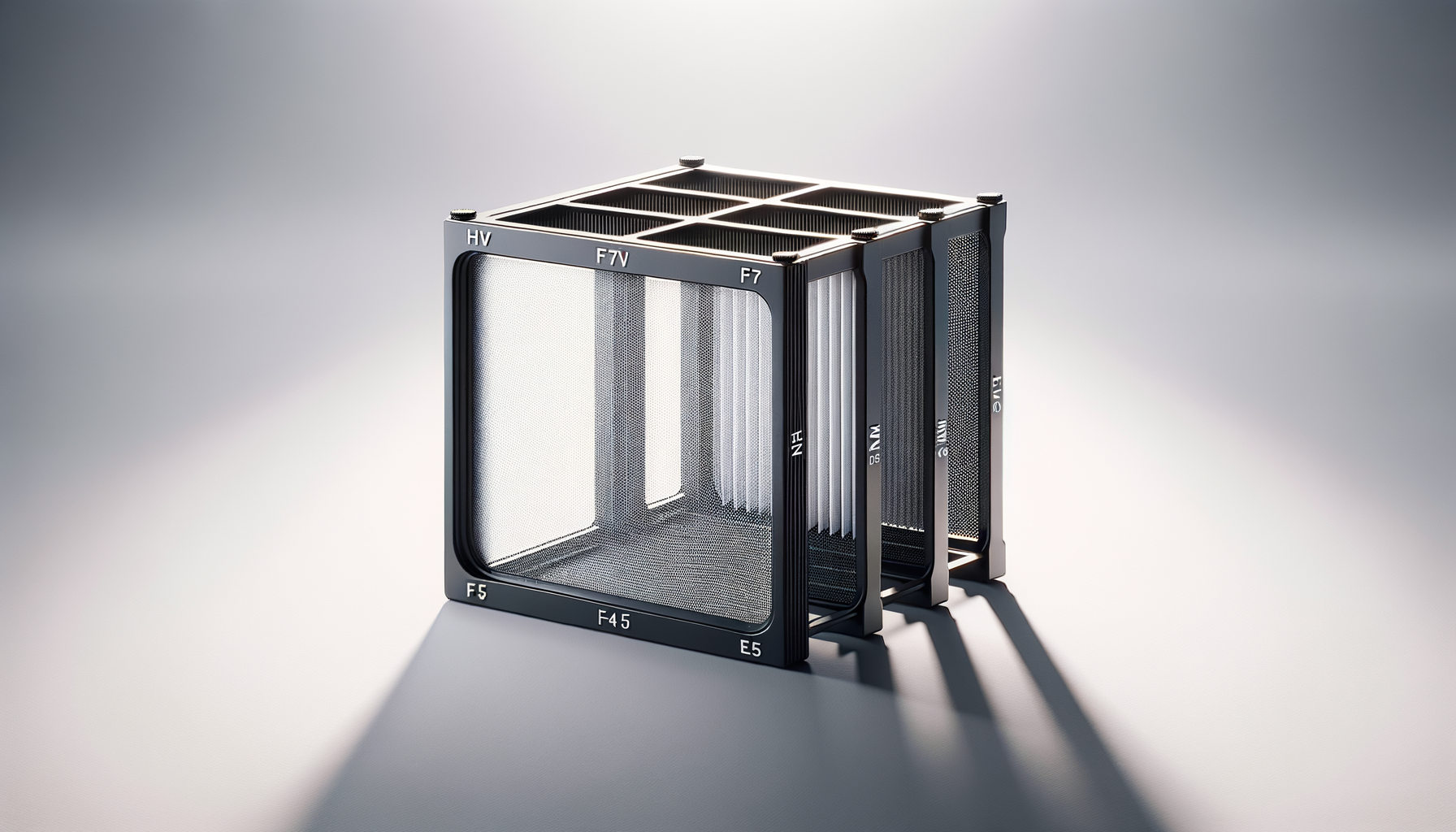
How to Choose the Right HRV Filter: Complete Guide
Selecting the right HRV filter is crucial for maintaining optimal indoor air quality and system efficiency. This comprehensive guide walks you through the essential factors you need to consider when choosing an HRV recuperator filter for your ventilation system.
Understanding HRV Filter Basics
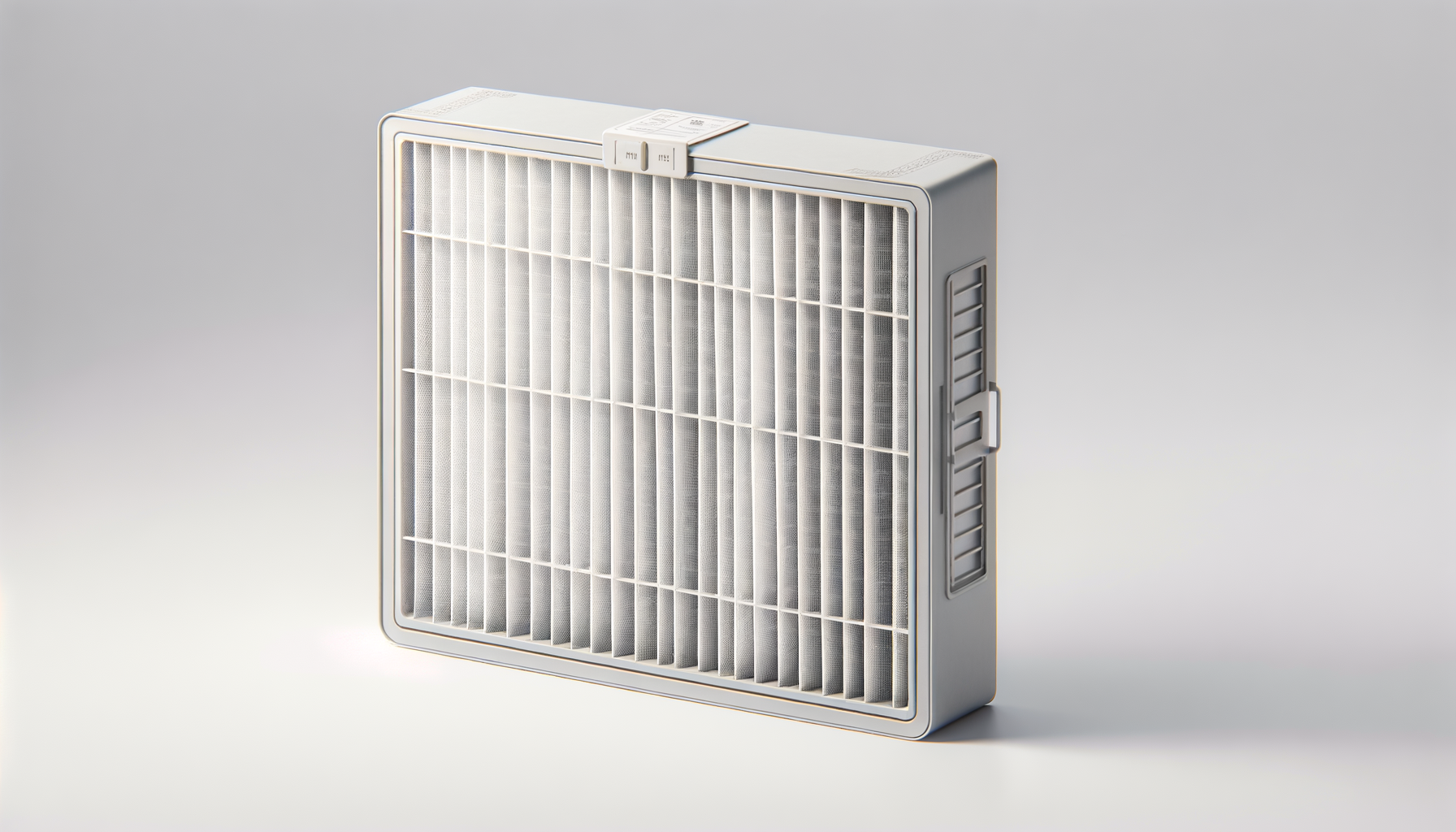
An HRV (Heat Recovery Ventilation) system is designed to provide fresh air while retaining heat energy from your home. The HRV filter is a critical component that removes dust, pollen, and other airborne particles before they enter your living space. Without a proper filter, your HRV system cannot function effectively, and indoor air quality suffers significantly.
HRV filters work by trapping particles of various sizes depending on their efficiency rating. The filtration process protects both your health and your ventilation equipment from damage caused by accumulated debris. Understanding how these filters operate is the first step toward making an informed purchasing decision.
Key Factors When Selecting an HRV Filter
When shopping for an HRV recuperator filter, several important specifications require your attention:
- Filter Size and Dimensions: Measure your existing filter or check your HRV system manual for exact dimensions. Common sizes include 200x200mm, 300x300mm, and 400x400mm panels. Installing an incorrectly sized filter leads to air bypass and reduced filtration effectiveness.
- MERV Rating: This indicates the filter's ability to capture particles. Higher MERV ratings (13-16) capture smaller particles but restrict airflow more than lower ratings (7-12). Choose a balance between filtration and system performance.
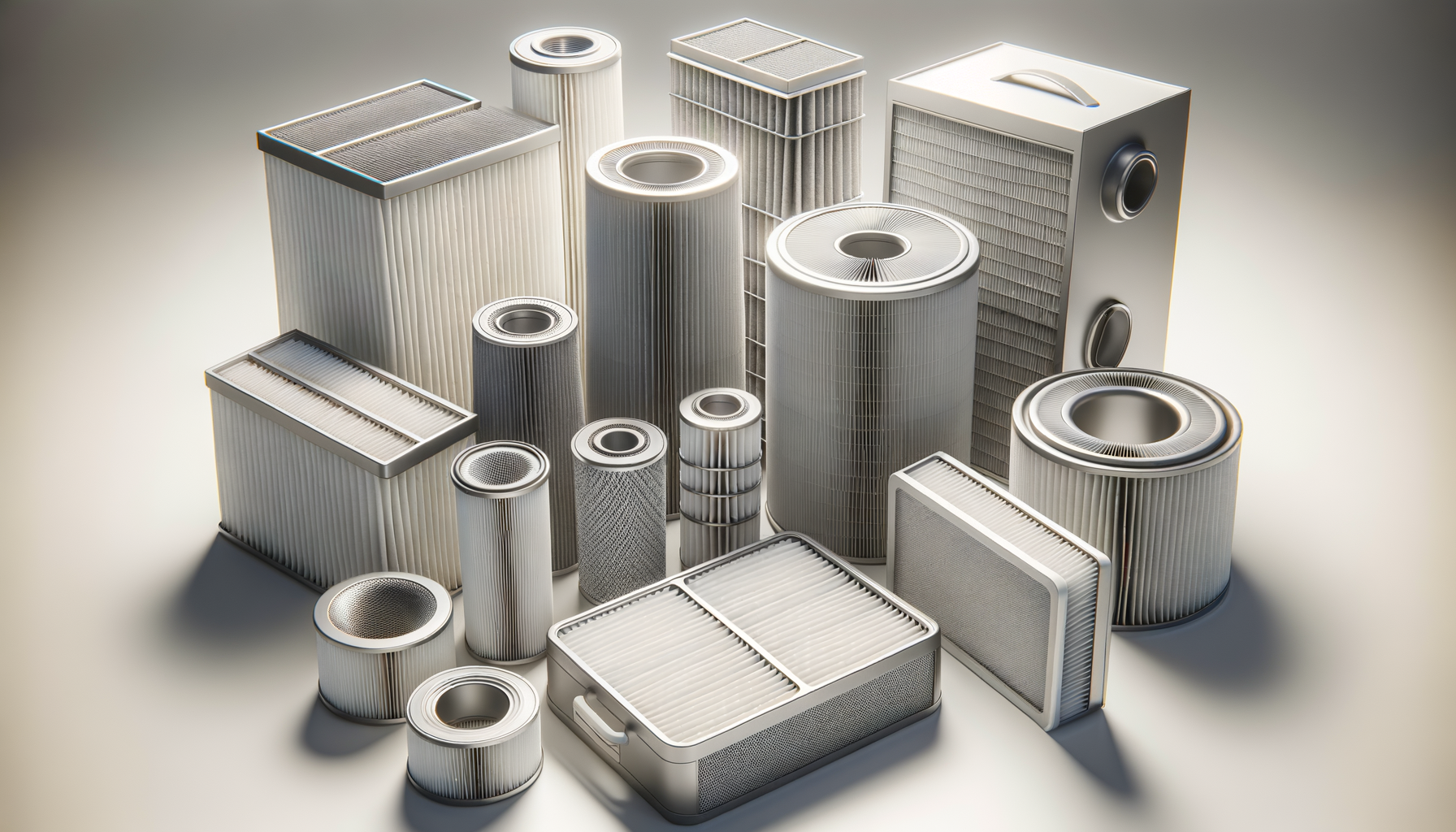
- Filter Material: Glass fiber, synthetic, and pleated materials offer different benefits. Pleated filters provide larger surface areas and longer service life compared to flat panel designs.
- Airflow Compatibility: Verify that your chosen filter matches your system's CFM (cubic feet per minute) rating to avoid straining the ventilation unit.
- Replacement Frequency: Standard filters typically require replacement every 3-6 months, while premium filters may last up to 12 months depending on household dust levels.
MERV Ratings Explained
The MERV rating system ranges from 1 to 16, with higher numbers indicating superior filtration capabilities. For most residential HRV systems, MERV 8-11 filters provide an excellent balance between air quality improvement and energy efficiency.
MERV 7-9: Basic filtration suitable for standard homes without allergy concerns. Captures particles like dust and pollen.
MERV 10-12: Recommended for homes with pets, smokers, or mild allergies. Captures smaller particles including fine dust and mold spores.
MERV 13-16: Premium filtration for severe allergies, asthma, or commercial applications. Captures bacteria and virus-sized particles, though may reduce airflow.
Installing filters with excessive MERV ratings can strain your HRV motor and increase energy consumption. Always verify compatibility with your system before upgrading to higher ratings.
Matching Your Home's Needs
Different households require different filtration levels based on occupants and environmental factors:
- Standard Households: Without pets or smokers, MERV 8-9 filters are typically sufficient and maintain optimal system performance.
- Homes with Pets: Pet dander and hair require MERV 10-11 filters to maintain cleanliness and reduce allergen circulation.
- Allergy and Asthma Sufferers: MERV 12-13 filters capture irritants that trigger respiratory symptoms and improve overall air quality.
- Smokers or High-Dust Areas: MERV 13+ filters prevent smoke particles and dust from circulating throughout your home.
- New Construction or Renovation: Temporary MERV 8 filters protect your system during construction, then upgrade to standard household filters afterward.
Consider your location as well. Homes near busy roads, industrial areas, or high-pollen regions benefit from upgraded filter ratings.
Installation and Maintenance Tips
Proper installation ensures your HRV filter performs at maximum efficiency. Always turn off your ventilation system before installing or replacing filters. Check the directional arrows on the filter frame—air should flow in the direction indicated, typically from the dirty side toward the clean side.
Mark your calendar with replacement reminders based on the filter manufacturer's recommendations. In high-dust environments, check filters monthly to determine if earlier replacement is necessary. Dirty filters reduce airflow, strain your HRV motor, and decrease overall system efficiency.
Store replacement filters in a clean, dry location away from extreme temperatures and humidity. Damaged filters should never be installed, as they allow unfiltered air to bypass into your system.
Where to Buy Quality HRV Filters
Purchasing from reputable suppliers ensures you receive genuine, high-quality filters that meet specifications. At filters1.eu, we stock a comprehensive selection of HRV recuperator filters in various sizes and MERV ratings to match your specific ventilation system requirements. Our expert team can help you identify the correct filter for your application and provide guidance on installation and maintenance.
When comparing prices, remember that quality filters extend equipment lifespan and maintain better air quality throughout the purchase cycle. Investing in premium filters from trusted manufacturers protects your health and your ventilation investment.
Frequently asked questions
How often should I replace my HRV filter?
What MERV rating is best for residential HRV systems?
Can I use a higher MERV rated filter in my HRV system?
What happens if I install the wrong size HRV filter?
Need the right filter for your HRV system?
Fast EU-wide delivery · Compatible replacements · Certified quality
Related articles
How to Match Filters to Your Ventilation System
How to Identify Your HRV Model Before Buying Filters
Best Filters for Allergies: Complete Guide 2024