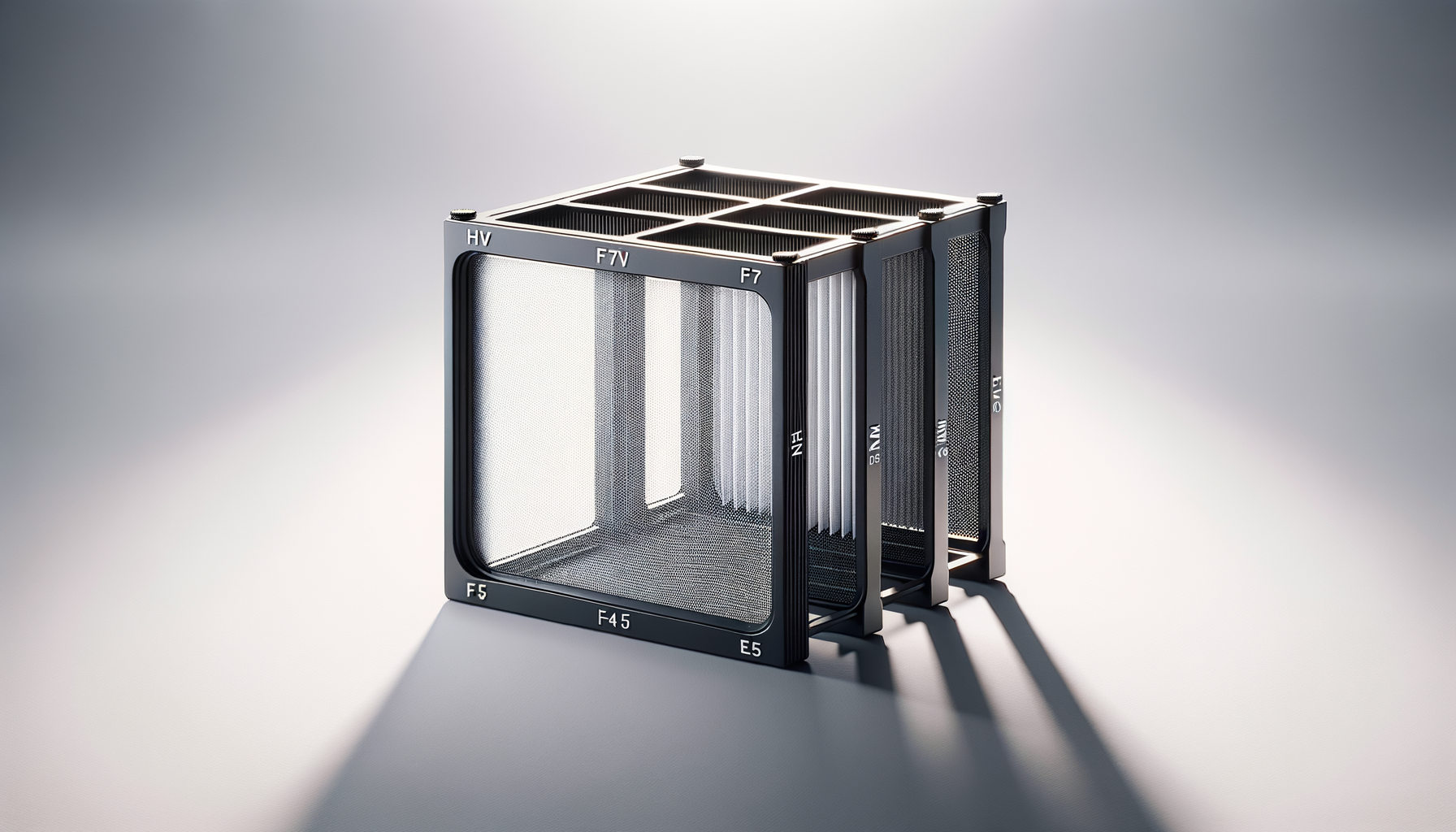
Filter Sets Explained: F7+M5 vs F7+F7 vs M5+M5
Choosing the right filter set for your HRV recuperator is crucial for optimal air quality and system efficiency. This guide explains the differences between popular filter combinations: F7+M5, F7+F7, and M5+M5, helping you select the perfect setup for your home or office.
Understanding Filter Efficiency Classes
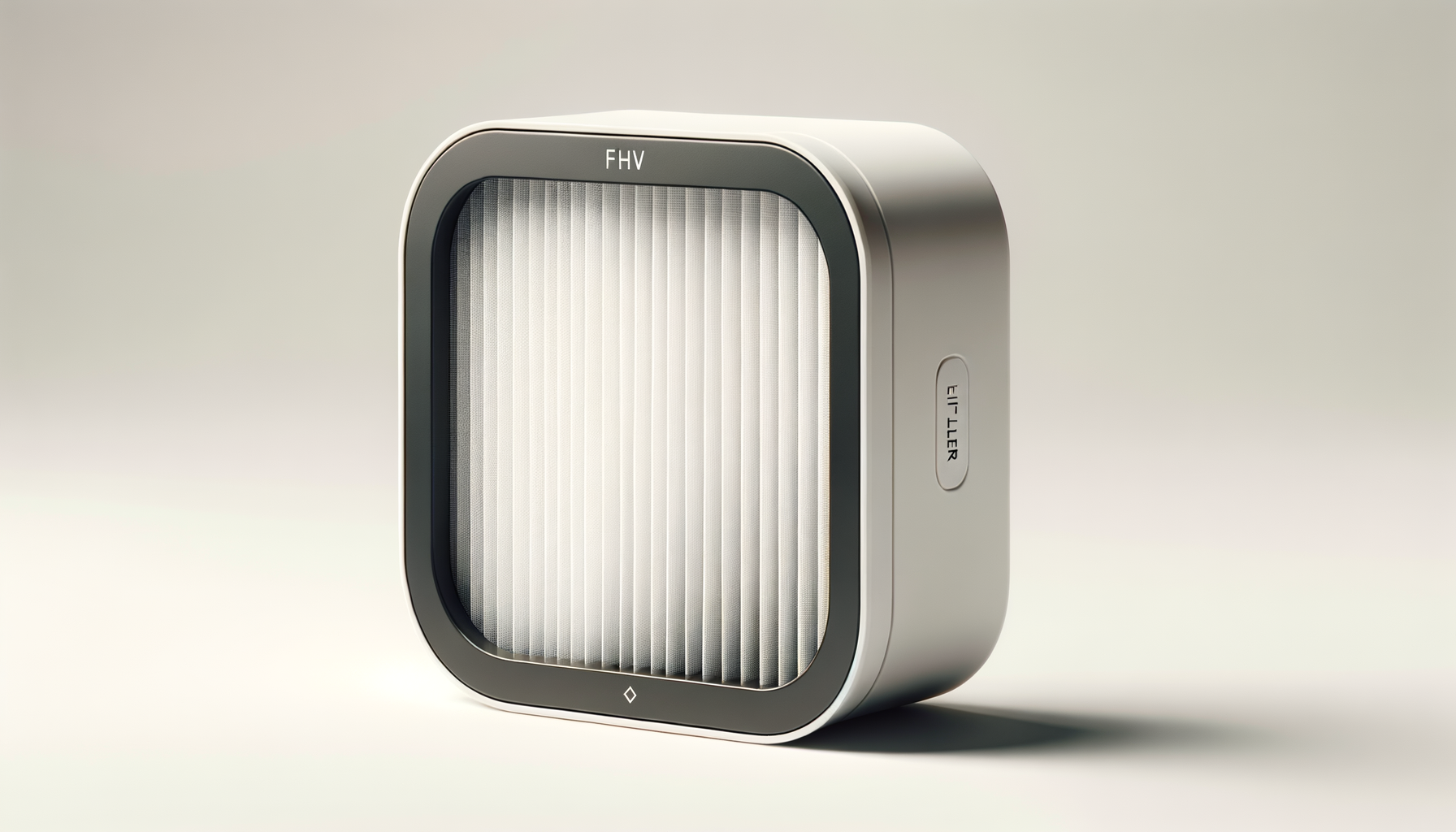
Air filters are classified by their efficiency at capturing particles of specific sizes. The most common ratings used in European ventilation systems are M5 and F7, which follow EN 779 standards. M5 filters capture particles down to 10 micrometres with 40-60% efficiency, while F7 filters achieve 80-90% efficiency at capturing particles as small as 1-5 micrometres. Understanding these classifications is essential when selecting a filter set for your HRV system.
The "plus" notation in filter sets (such as F7+M5) indicates a two-stage filtration system where the first number represents the pre-filter and the second represents the main filter. This dual-stage approach maximises filter lifespan and maintains consistent air quality throughout your home or office.
F7+M5 Filter Sets: The Balanced Choice
The F7+M5 combination is the most popular choice for residential and light commercial applications. This setup pairs a high-efficiency F7 filter as the primary stage with an M5 pre-filter as the secondary stage.
- F7 pre-filter: Captures larger particles, dust, pollen, and skin cells
- M5 main filter: Provides additional filtration and extends overall system life
- Best for: Standard homes, offices, and environments with moderate dust levels
- Cost efficiency: Lower replacement costs compared to F7+F7 systems
- Performance: Achieves 70-85% overall system efficiency
F7+M5 filter sets are ideal if you want reliable air quality without excessive filter replacement expenses. They balance performance with practicality, making them the go-to option for most European households using HRV recuperator systems.
F7+F7 Filter Sets: Maximum Protection
For those requiring the highest air quality standards, the F7+F7 filter combination offers superior performance through dual high-efficiency filtration stages.
- Both stages at F7 efficiency: Captures up to 90% of particles in both pre-filter and main filter
- Ideal for: Allergy sufferers, immunocompromised individuals, and sensitive environments
- Particle capture: Removes pollen, mould spores, fine dust, and airborne bacteria
- System efficiency: Achieves 95%+ combined efficiency across both stages
- Maintenance considerations: Requires more frequent replacement cycles
The F7+F7 system is recommended for healthcare facilities, laboratories, and homes where occupants have severe respiratory conditions or allergies. While replacement costs are higher, the superior air quality justifies the investment for sensitive environments.
M5+M5 Filter Sets: Budget-Friendly Option
The M5+M5 configuration represents the most economical filtration choice, using two M5-rated filters in series.
- Lower initial cost: Most affordable filter set option available
- Moderate performance: Achieves 50-70% combined efficiency
- Suitable for: Low-dust environments, storage spaces, and garages with basic ventilation
- Filter lifespan: Slightly shorter than F7+M5 systems in dusty environments
- Maintenance: More frequent filter changes may be required
M5+M5 filter sets work well in rural areas with low ambient pollution, light commercial spaces, and applications where maximum air purity is not critical. However, they are generally not recommended for residential use where occupants spend extended periods, as the filtration efficiency may be insufficient for optimal health benefits.
Comparing Performance and Cost
When deciding between these three filter set options, consider both upfront costs and long-term value. F7+M5 offers the best balance for most homes, providing excellent air quality at reasonable expense. F7+F7 maximises protection but increases operational costs significantly. M5+M5 minimises expenses but sacrifices air quality performance.
Your choice should reflect your environment's dust levels, occupant health requirements, and budget constraints. Most European HRV systems are optimally configured with F7+M5 filter sets, which provide reliable performance without excessive maintenance burden.
Filter Replacement Schedule and Maintenance
Regardless of your chosen filter set configuration, regular replacement is essential for maintaining system efficiency. F7 filters typically require replacement every 6-9 months in normal conditions, while M5 filters may last 3-6 months. Dust-heavy environments warrant more frequent changes.
Monitor filter condition visually and check pressure drop indicators on your HRV system. When filters become noticeably grey or clogged, replacement cannot wait. Using filters1.eu, you can easily order replacement sets tailored to your specific HRV model and preferred efficiency class combination.
Frequently asked questions
What does F7 and M5 mean in filter ratings?
Which filter set is best for allergy sufferers?
How often should I replace F7+M5 filter sets?
Is M5+M5 suitable for my home?
Need the right filter for your HRV system?
Fast EU-wide delivery · Compatible replacements · Certified quality
Related articles
How to Match Filters to Your Ventilation System
How to Identify Your HRV Model Before Buying Filters
Best Filters for Allergies: Complete Guide 2024