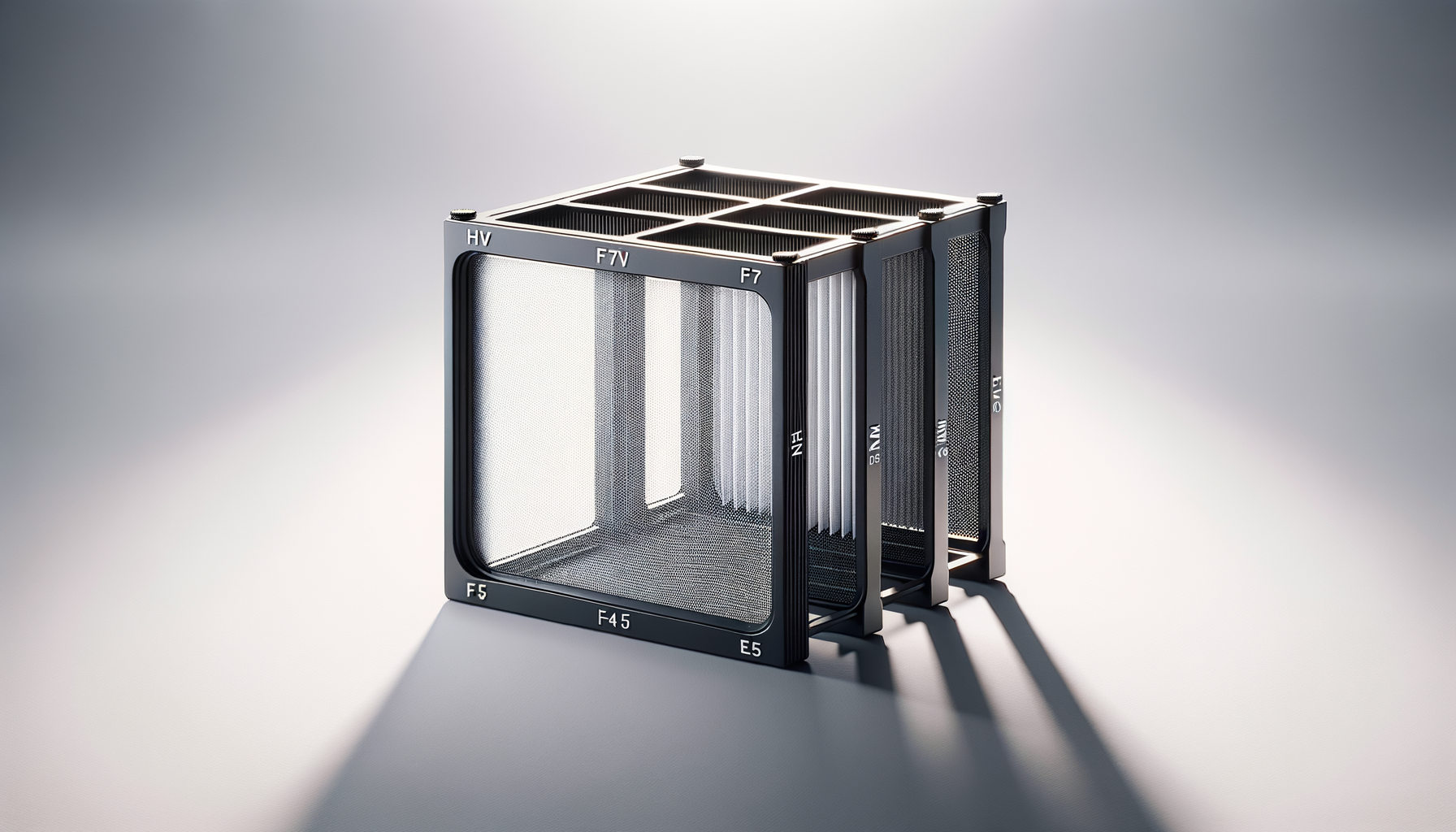
ISO 16890 Explained: ePM1, ePM2.5 & Filter Classifications
ISO 16890 is the European standard for air filter classification that replaced the older EN 779 standard. Understanding ePM1, ePM2.5, and ePM10 ratings helps you select the right filter for your HRV, MVHR, or WTW ventilation system and improve indoor air quality.

What is ISO 16890? Understanding the Standard
ISO 16890 explained is essential for anyone purchasing ventilation filters in Europe. This international standard classifies air filters based on their ability to capture particles of different sizes, specifically focusing on fine particulate matter (PM). Unlike the older EN 779 standard which only measured dust-holding capacity, ISO 16890 provides a more accurate assessment of real-world filtration performance.
The ISO 16890 meaning centers on measuring how effectively filters remove particles from the air, with particular emphasis on the smallest, most harmful particles. This standard applies to HVAC filters, ventilation filter systems, HRV filters, MVHR filters, and WTW filters commonly used in European homes and commercial buildings.
Key advantages of ISO 16890 filter classification include:
- Measurement of actual particle removal efficiency
- Focus on fine dust filtration and PM2.5 particles
- Better prediction of filter performance in real conditions
- Standardized testing across European manufacturers
- Clearer guidance for consumers choosing filters
ePM1, ePM2.5, and ePM10: What Do These Mean?
The core of ISO 16890 classification uses three particle size categories: ePM1, ePM2.5, and ePM10. These letters stand for "efficiency particulate matter" and the numbers indicate the particle size in micrometers that the filter is rated to capture.
What is ePM1? This rating measures a filter's ability to capture particles 1 micrometer or smaller. These ultra-fine particles are the most dangerous to human health as they can penetrate deep into the lungs and enter the bloodstream. ISO 16890 ePM1 meaning is crucial for understanding filter effectiveness against the smallest airborne contaminants, including virus particles, smoke, and the finest dust.
What is ePM2.5? This classification measures particles up to 2.5 micrometers in size. ISO 16890 ePM2.5 meaning is particularly important for indoor air quality, as PM2.5 particles are a major health concern. These fine particles can remain suspended in air for extended periods and are linked to respiratory and cardiovascular health issues. Fine dust filtration PM2.5 has become increasingly important in European homes.
What is ePM10? This rating covers larger particles up to 10 micrometers, including pollen, mold spores, and coarse dust. While less dangerous than finer particles, ISO 16890 ePM10 meaning helps identify filters effective against common allergens. ePM1 vs ePM2.5 and ePM1 vs ePM10 comparisons show that ePM1 is the most stringent rating, followed by ePM2.5, then ePM10.
ISO 16890 Filter Classes and Efficiency Ratings
Air filter efficiency ISO 16890 is expressed through specific filter classes. Each particle size category (ePM1, ePM2.5, ePM10) receives its own efficiency rating:
- ePM1 50 means the filter captures 50% of particles 1 micrometer or smaller
- ePM1 60 indicates 60% efficiency for 1 micrometer particles
- ePM2.5 70 means the filter achieves 70% efficiency against 2.5 micrometer particles
- Higher percentages indicate greater filtration efficiency
The standard replaced older filter classes G4 M5 F7 ISO 16890 system with more detailed classifications. ISO 16890 vs EN 779 comparison shows that the new standard provides more realistic efficiency measurements based on actual particle removal rather than just dust-holding capacity.
Filter classes under ISO 16890 include:
- ISO Coarse (ePM10 > 50%, ePM2.5 > 50%)
- ISO ePM2.5 (ePM2.5 > 50%)
- ISO ePM1 (ePM1 > 50%)
Practical Applications: HRV, MVHR, and WTW Filters
Ventilation filter ISO 16890 standards apply directly to home ventilation systems throughout Europe. HRV filter ISO 16890 and MVHR filter ISO 16890 systems use these classifications to help homeowners understand which filters provide adequate protection.
WTW filter ePM1 and WTW filter ePM2.5 products are increasingly labeled with ISO 16890 ratings. These ratings help answer the critical question: how to choose filter ISO 16890.
For indoor air quality PM2.5 filters, consider these recommendations:
- ePM1 60-80 filters are ideal for allergy sufferers and those in high-pollution areas
- ePM2.5 70+ filters provide excellent protection against fine particles while maintaining reasonable air flow
- Regular replacement maintains efficiency—check your specific ventilation system's recommendations
- Combination pre-filters extend the life of main filters
Best filter for allergies PM1 ratings should prioritize ePM1 efficiency above 60%, particularly if household members have respiratory sensitivity or allergies.
ISO 16890 vs HEPA: Understanding the Difference
HEPA vs ISO 16890 filters are often compared. HEPA filters capture 99.97% of particles 0.3 micrometers or larger, making them more efficient than most ISO 16890 filters. However, HEPA filters are expensive, generate high pressure drop, and require powerful motors. ISO 16890 ePM1 filters offer a practical balance between efficiency and performance for residential ventilation systems.
Air filtration standards Europe emphasize ISO 16890 as the standard for residential and commercial HVAC applications, while HEPA remains reserved for specialized applications like laboratories and hospitals.
Reading and Interpreting ISO 16890 Labels
Ventilation filter efficiency explained becomes clear when reading the filter label correctly. A filter might be labeled as:
"ISO ePM2.5 70%" – This means the filter captures 70% of particles 2.5 micrometers and larger.
Look for these elements on filter packaging:
- Particle size category (ePM1, ePM2.5, or ePM10)
- Efficiency percentage
- Recommended replacement interval
- Airflow rating and pressure drop specifications
- Filter dimensions and frame material
WTW filter systems and HVAC filter ISO 16890 products should clearly display these ratings. If not clearly marked, contact the manufacturer for ISO 16890 certification documentation.
Frequently asked questions
What is the difference between ePM1 and ePM2.5?
How does ISO 16890 compare to the old EN 779 standard?
Which ePM rating should I choose for allergies and respiratory sensitivity?
Are ISO 16890 filters sufficient or do I need HEPA filters?
Need the right filter for your HRV system?
Fast EU-wide delivery · Compatible replacements · Certified quality
Related articles
How to Match Filters to Your Ventilation System
How to Identify Your HRV Model Before Buying Filters
Best Filters for Allergies: Complete Guide 2024