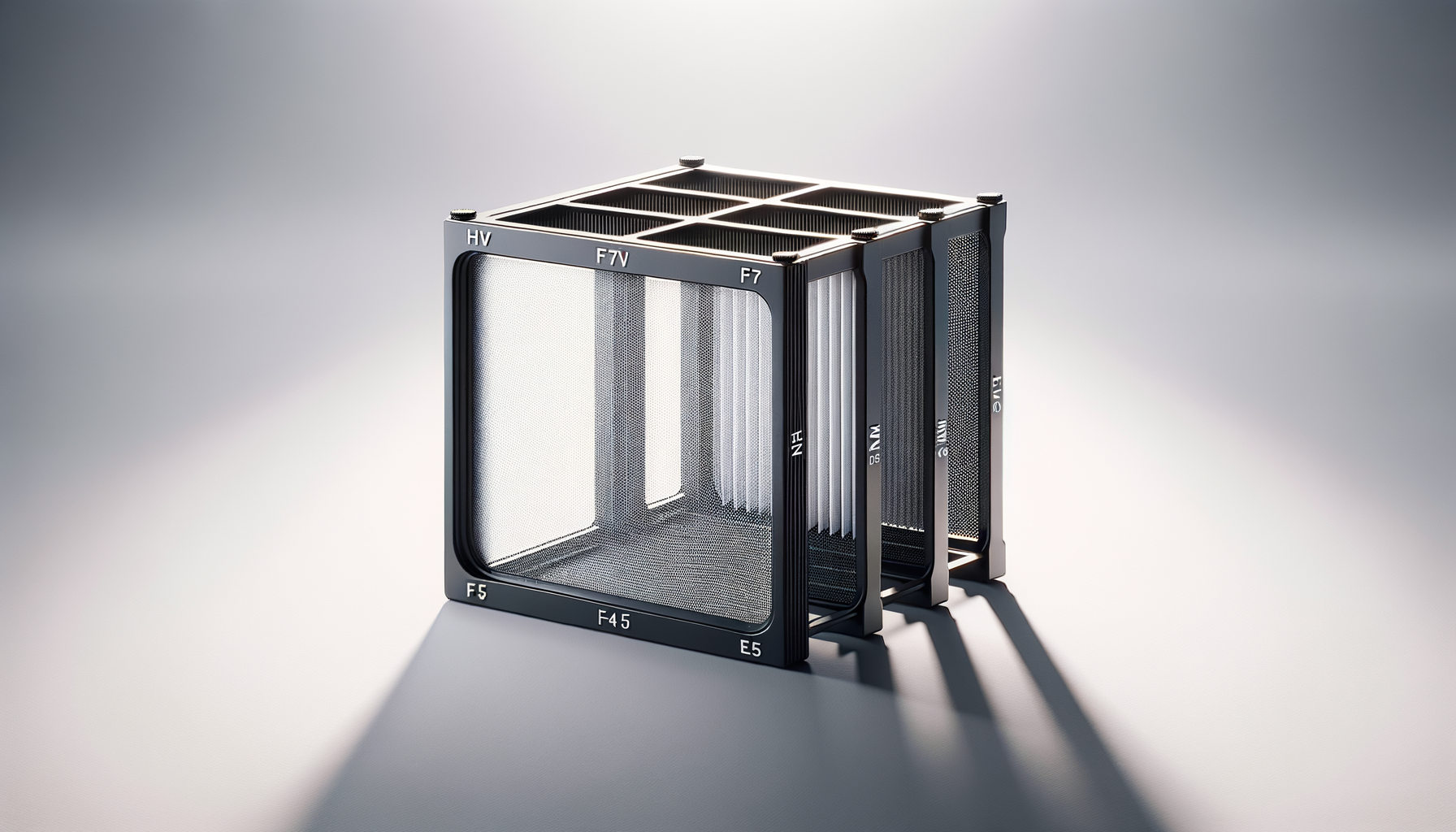
Original vs Compatible Filters: Complete Guide
Choosing between original manufacturer filters and compatible alternatives can be confusing. This guide explains the key differences between OEM and aftermarket air filters, helping you understand quality, performance, and cost implications for your ventilation system.

Understanding OEM vs Compatible Filters
When shopping for ventilation filters, you'll encounter two main categories: original manufacturer filters (OEM) and compatible filters. Understanding what each means is essential for making an informed decision.
OEM filters are produced by the original equipment manufacturer—the company that made your HRV, MVHR, or ventilation system. Compatible filters, also called aftermarket or third-party filters, are manufactured by different companies but designed to fit and function in your existing system. The term compatible filter meaning refers to filters that meet the same size, connection type, and functional specifications as the original, allowing them to work as replacements.
Original filter vs replacement filter distinctions matter because genuine filters are engineered with your specific system in mind. However, OEM vs aftermarket air filters aren't always dramatically different in construction or materials.
Quality and Performance Comparison
Are compatible filters as good as original? This is the most common question homeowners ask. The answer depends on the manufacturer and certification standards.
- Filtration Efficiency: Quality compatible filters can achieve similar filtration efficiency ratings as OEM products. Many compatible HVAC filters vs original perform equally well when both meet ISO 16890 standards or equivalent certifications.
- Airflow Performance: Pressure drop—the resistance a filter creates—varies between products. Some compatible filters have better airflow OEM vs compatible filters when engineered with improved deep pleat designs versus standard filter design options.
- Material Quality: Filter material OEM vs aftermarket can be surprisingly similar. Both may use fiberglass, synthetic media, or advanced electrostatic materials. The difference often lies in quality control rather than material selection.
- Lifespan: Original vs compatible filter lifespan typically ranges from 6-12 months depending on air quality and filter type. Premium compatible filters often match or exceed OEM longevity.
Do compatible filters meet ISO 16890? Certified compatible air filters from reputable manufacturers do meet international standards. Look for products displaying ISO certification, especially for HRV original vs compatible filters and MVHR OEM vs compatible filters used in European systems like WTW filters original vs compatible models.
Cost and Value Analysis
The financial difference between options is significant. Cost comparison OEM vs compatible filters typically shows compatible products priced 30-60% lower than originals.
- Cheap vs original air filters: Budget-friendly compatible filters exist, but lowest price doesn't guarantee poor quality. Mid-range compatible products often provide excellent value.
- Compatible filters vs original price: Original manufacturer filters command premium pricing due to brand recognition, R&D investment, and warranty backing.
- Best alternative to OEM filters: High-quality compatible filters from established brands offer optimal price-to-performance ratio.
Original manufacturer filter vs third party pricing reflects different business models. OEM manufacturers price products to support distribution networks and warranty programs, while compatible manufacturers focus on efficient direct-to-consumer sales.
Safety, Warranty, and Long-Term Considerations
Are aftermarket filters safe? Quality compatible filters are completely safe when manufactured by certified companies. Non OEM filter quality varies dramatically—choose established brands with certifications rather than unknown sellers.
An important concern: do compatible filters void warranty? Check your ventilation system's warranty documentation. Most European manufacturers (including WTW systems) permit compatible filter use if they meet specified standards. Using extremely low-quality or incompatible products might void coverage.
OEM filter benefits include:
- Guaranteed compatibility with your specific system model
- Manufacturer warranty support and predictable performance
- Access to replacement through authorized dealers
- Full documentation and support materials
Aftermarket filter benefits include:
- Significant cost savings over time
- Wide product selection and availability
- Often improved filtration technology in premium models
- Flexible purchasing from multiple retailers
Compatible filter reliability depends on manufacturer reputation. Brands with 10+ years in the market, ISO certifications, and positive reviews typically deliver reliable performance equivalent to ventilation filter OEM vs aftermarket comparisons.
Making Your Decision: Original or Compatible?
Consider these factors when choosing between original vs compatible filters:
- System age: Newer systems may have more compatible options available.
- Budget constraints: Compatible filters make sense for cost-conscious homeowners.
- Air quality needs: High pollution areas benefit from premium certified filters—whether OEM or compatible.
- Warranty status: Verify your warranty permits compatible use before purchasing.
- Performance requirements: Difference between OEM and aftermarket filters in efficiency may matter for allergy sufferers.
Why choose compatible filters? Many European homeowners select quality compatible options because they offer pros and cons OEM vs compatible filters that favor compatible products: better pricing without sacrificing performance, when certified brands are selected.
Aftermarket filter vs OEM quality needn't be an either/or decision. Today's best compatible filters match original specifications while offering superior value. The key is purchasing from certified manufacturers that publish performance data and maintain quality standards.
Frequently asked questions
What is the difference between OEM and compatible filters?
Do compatible filters void my warranty?
Are compatible filters as good as original filters?
How do I know if a compatible filter is certified and reliable?
Need the right filter for your HRV system?
Fast EU-wide delivery · Compatible replacements · Certified quality
Related articles
How to Match Filters to Your Ventilation System
How to Identify Your HRV Model Before Buying Filters
Best Filters for Allergies: Complete Guide 2024