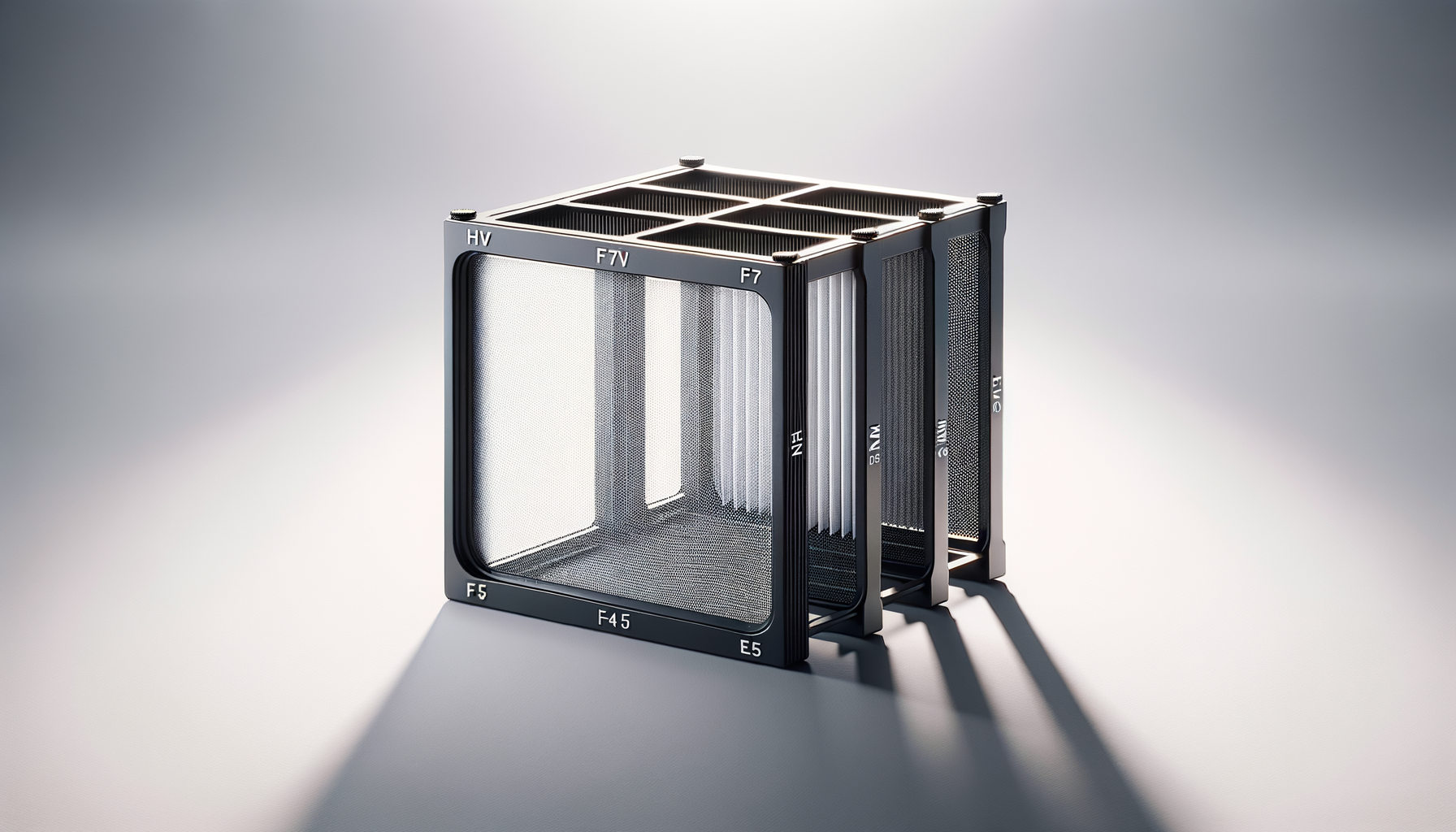
What Filter Size Do I Need? Complete Step-by-Step Guide
Choosing the correct filter size is essential for optimal air quality and system performance. This guide walks you through measuring your existing filter, understanding dimension standards, and selecting the perfect replacement for your ventilation system.

Why Filter Size Matters for Your HRV System
The correct filter size directly impacts the efficiency of your heat recovery ventilation (HRV) system. An improperly sized filter can lead to reduced airflow, compromised air quality, and increased energy consumption. Whether you're replacing a worn filter or upgrading your system, understanding how to measure filter dimensions is your first critical step.
Many European homeowners waste money on incompatible filters simply because they didn't verify measurements beforehand. Taking five minutes to measure correctly saves frustration, money, and ensures your home maintains healthy air quality year-round.
Step-by-Step: How to Measure Your Current Filter
Follow these simple steps to identify your filter size accurately:
- Step 1: Locate your filter — Find where your filter is installed in your HRV unit or ventilation system. Most residential systems mount filters in accessible compartments.
- Step 2: Note the three dimensions — Measure length × width × height in millimeters. For example: 450mm × 210mm × 46mm represents a common European standard size.
- Step 3: Check for existing labels — Many filters have printed dimensions on their frame or housing. Look for size markings before measuring.
- Step 4: Consult your system manual — Your HRV documentation lists compatible filter sizes. Cross-reference your measurements with this information.
- Step 5: Record the filter type — Note whether it's a G4, F7, H13, or other classification. This indicates filtration efficiency level.
Write down all measurements and take a photo of your existing filter. This documentation helps when shopping for replacement filters online.
Understanding Standard European Filter Dimensions
European ventilation systems commonly use standardized filter sizes. The most popular dimensions include:
- 450 × 210 × 46 mm — Standard size for medium-capacity HRV units, commonly used in residential homes
- 400 × 200 × 46 mm — Compact option for smaller spaces and lower-capacity systems
- 500 × 250 × 46 mm — Larger format for high-capacity commercial or extended residential systems
- 300 × 150 × 46 mm — Minimal size for specialized or compact installations
The depth (thickness) is typically 46mm for standard frames, though some systems use 48mm or 50mm alternatives. Always verify your exact specifications before ordering.
Selecting the Right Replacement Filter
Once you've confirmed your filter dimensions, consider these additional factors:
Filtration Efficiency — Choose between different grades depending on your air quality needs. G4 filters trap larger particles, while H13 HEPA filters capture microscopic contaminants. Your system documentation specifies compatible grades.
Filter Material and Lifespan — Quality matters. Premium filters maintain performance longer and may cost less per month of use than budget alternatives. Most residential filters need replacement every 6-12 months depending on air quality and usage.
System Compatibility — Not all filters fit all systems. Verify your HRV model accepts your chosen size. A filter that doesn't seal properly defeats the entire purpose of having one.
At filters1.eu, we stock a wide range of European-standard sizes, including the popular 450 × 210 × 46 mm format used in many Domekt HRV systems. Each product listing includes detailed dimensions to ensure perfect fit.
Pro tip: Order replacement filters before your current one completely clogs. Maintaining steady airflow throughout the filter's lifespan improves system longevity and home air quality.
Frequently asked questions
How do I know if my filter size is 450 × 210 × 46 mm?
Can I use a filter that's slightly different in size?
How often should I replace my HRV filter?
What's the difference between filter types like G4 and F7?
Need the right filter for your HRV system?
Fast EU-wide delivery · Compatible replacements · Certified quality
Related articles
How to Match Filters to Your Ventilation System
How to Identify Your HRV Model Before Buying Filters

Best Filters for Allergies: Complete Guide 2024