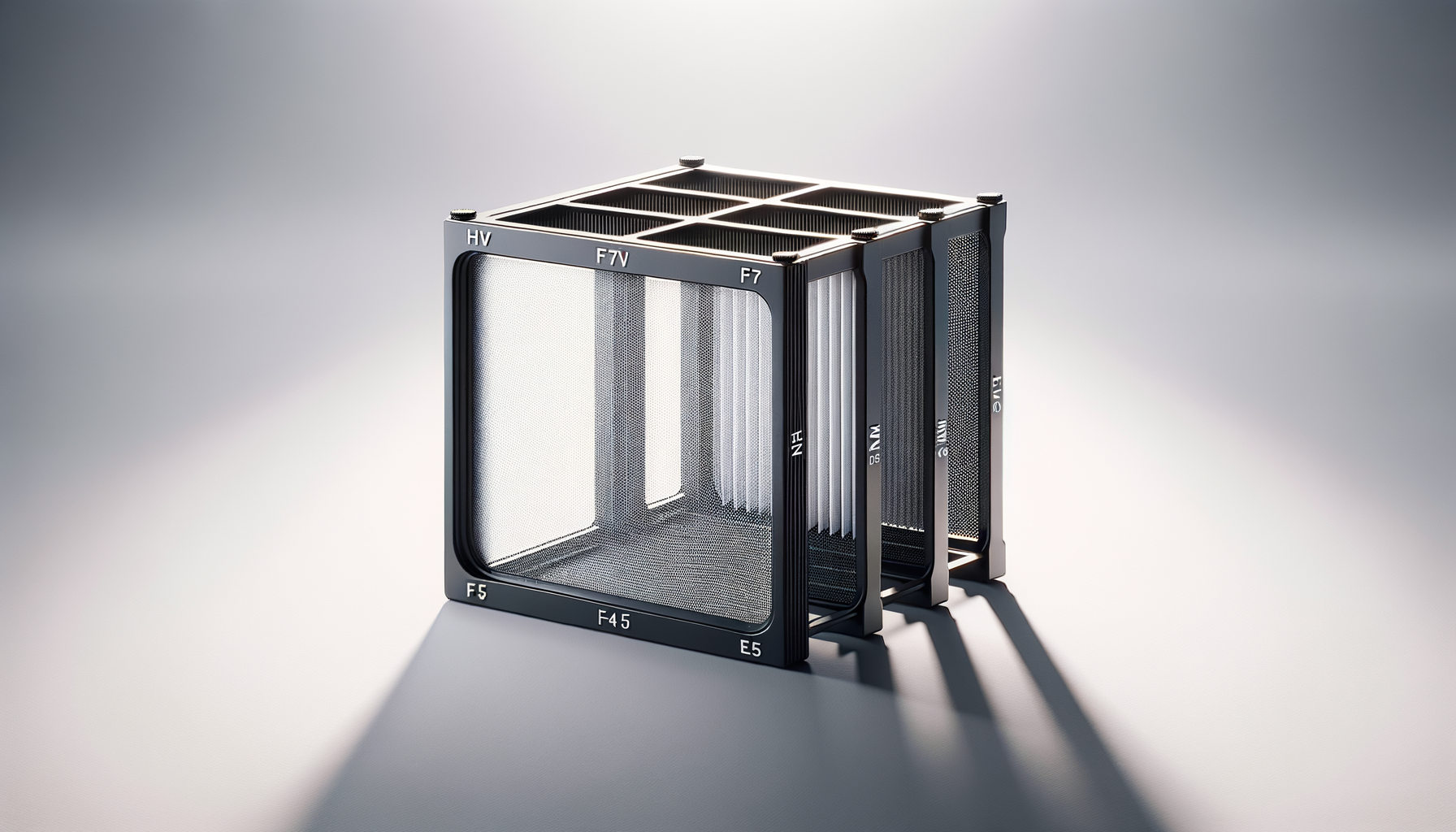
When to Use Carbon Filters in Ventilation Systems
Carbon filters are essential components in modern ventilation systems, designed to remove odors, gases, and chemical fumes that standard air filters cannot capture. Understanding when to use activated carbon filters in your HRV, MVHR, or WTW system ensures optimal indoor air quality.

Understanding Carbon Filters vs Standard Air Filters
When evaluating carbon filter vs standard air filter options, it's important to recognize their distinct purposes. Standard particulate filters capture dust, pollen, and physical particles, while activated carbon filters excel at removing odors, volatile organic compounds (VOCs), and chemical fumes through absorption and chemical bonding.
A carbon filter ventilation system works through adsorption, where molecules stick to the carbon's porous surface. This makes activated carbon filter ventilation particularly effective for invisible air pollutants that mechanical filters miss entirely.
- Standard filters trap particles larger than their pore size
- Carbon filters absorb gases and odorous molecules
- Many modern systems combine both technologies for comprehensive filtration
- Carbon filter vs HEPA difference lies in their filtration mechanisms—HEPA removes particles, carbon removes gases
When to Use Activated Carbon Filters in Your Home
Knowing when to use activated carbon filter HVAC systems depends on your specific indoor air quality challenges. Several scenarios indicate you need carbon filtration:
Kitchen Environments: A carbon filter for kitchen smells ventilation is essential if you cook frequently. Cooking odors, grease particles, and food-related smells penetrate deep into textiles and walls without proper carbon filtration. Remove smells ventilation system solutions should include activated carbon pre-filters in your kitchen range hood or central ventilation system.
Bathroom Areas: Carbon filter for bathroom odors helps maintain freshness and prevents odor accumulation. Bathrooms generate persistent moisture-related smells that activated carbon effectively neutralizes before they spread throughout your home.
Smoke and Chemical Concerns: Carbon filter for smoke removal is critical in homes where smoking occurs or near external pollution sources. Additionally, carbon filter for VOC removal addresses volatile organic compounds from paints, adhesives, cleaning products, and new furniture.
When carbon filter is necessary ventilation-wise, consider these signs you need carbon filter ventilation:
- Persistent odors despite regular cleaning
- Chemical or paint smells lingering for weeks
- Air filter for cigarette smoke ventilation needs
- Proximity to traffic or industrial areas causing pollution smells
- New construction materials releasing VOC off-gassing
- Remove chemical fumes air filter requirements from household products
Integration with HRV and MVHR Systems
Modern heat recovery ventilation systems benefit significantly from carbon filtration. When to install carbon filter HRV systems typically depends on your location and lifestyle factors. In urban environments or homes with odor concerns, MVHR carbon filter use becomes essential for maintaining fresh air intake quality.
Do HRV systems need carbon filters? While not mandatory, they're highly recommended for comprehensive air purification. Standard HRV systems primarily handle particle filtration, but adding carbon filters transforms your setup into a complete VOC filter ventilation system.
WTW carbon filter when needed particularly applies to:
- Homes in polluted urban areas
- Residences with persistent odor sources
- Properties near restaurants, garages, or industrial facilities
- Homes with multiple occupants prone to odor generation
- Buildings requiring indoor air odor removal solutions
When to replace carbon filter ventilation becomes important—most activated carbon filters last 3-6 months depending on usage intensity. High-odor environments require more frequent replacement for optimal performance.
Activated Carbon Filter Benefits and Effectiveness
Activated carbon filter benefits ventilation systems through multiple mechanisms. These filters don't just mask odors; they chemically absorb them, preventing recirculation into living spaces.
Do carbon filters remove dust? Not directly. However, in combination systems, they protect the activated carbon layer by allowing particulate pre-filtration first. Ventilation filter for gases vs particles distinction means carbon works best for gases while mechanical filters handle particles.
Carbon filter air purifier vs ventilation systems serve different purposes. Standalone air purifiers provide localized treatment, while ventilation-integrated filters offer whole-home solution. Best filter for odors ventilation system integration ensures all incoming and outgoing air receives treatment.
Activated carbon vs particulate filter comparison shows they're complementary rather than competitive. The most effective approach combines both: mechanical pre-filtration removes particles, then activated carbon eliminates gases and odors.
Activated carbon filter lifespan ventilation depends on several factors:
- Air pollution levels in your area
- Indoor odor sources and their intensity
- System runtime hours per day
- Humidity levels affecting carbon saturation
- Filter quality and carbon density
Ventilation air smell solution filter success requires proper maintenance. Monitor your filters regularly and replace them when odors return despite running your ventilation system continuously.
Frequently asked questions
What is the main difference between carbon filters and HEPA filters?
How often should I replace activated carbon filters in my ventilation system?
Do I need carbon filters if I already have an HRV system?
Can activated carbon filters remove cigarette smoke and cooking odors?
Need the right filter for your HRV system?
Fast EU-wide delivery · Compatible replacements · Certified quality
Related articles
How to Match Filters to Your Ventilation System
How to Identify Your HRV Model Before Buying Filters
Best Filters for Allergies: Complete Guide 2024