Blog navigation
Latest posts
HOW DO WE KNOW IF THE ENVIRONMENT WE LIVE IN IS CLEAN?

It is important for each of us that the environment in which we live, work and spend our leisure time is clean and...

Read more
How do recuperators help asthma sufferers?

Imagine that every time you breathe in, your lungs are filled not only with oxygen, but also with various allergens,...

Read more
RECOM Recuperator Filters: A Comprehensive Guide to Clean and Efficient Ventilation

Recuperator filters are an essential part of the ventilation system, ensuring that only clean, dust- and...

Read more
REQNET recuperator filters – a comprehensive guide to quality air filtration and maintenance

REQNET recuperator filters are the highest quality filtration solutions, specially designed for air recuperation...

Read more
BLAUBERG recuperator filters: a comprehensive guide to healthy indoor air

BLAUBERG recuperator filters are an essential component in heat recovery ventilation systems, ensuring that only...

Read more
Blog tags

How do recuperators help asthma sufferers?


How do recuperators help asthma sufferers?

Imagine that every time you breathe in, your lungs are filled not only with oxygen, but also with various allergens, dust particles, or other harmful substances. This is exactly the challenge that people with asthma face every day.
A
Interestingly, indoor air is often 2-10 times more polluted than outdoor air, which poses a particular risk to asthma sufferers. Modern recuperators – mechanical ventilation systems with heat recovery – are becoming an increasingly important part of homes, especially in order to ensure cleaner and healthier air for asthmatics.

In Lithuania, as in all of Europe, the number of people with asthma is growing, so proper indoor microclimate control is becoming a necessity. One of the most important components of recuperation systems is /lt/ 17-rekuperatoriu-filtrai">modernūs rekuperatorių filtrai , which effectively trap various air pollutants and allergens. It is the quality of filtration that is one of the essential factors determining the friendliness of a recuperator for people with asthma.

In this article, you will learn how recuperators improve indoor air quality, why they are more effective than other air purification solutions, and how to choose and maintain a recuperator to maximize the benefits for family members with asthma.

The impact of indoor air quality on asthma

For people with asthma, indoor air quality is not just a matter of comfort - it is a matter of health and quality of life.
A
Lack of clean air can not only worsen your overall well-being, but also provoke asthma attacks.

There are many factors in the home environment that can trigger asthma attacks:

  • dust mites and the allergens they release
  • pet dander
  • mold spores
  • volatile organic compounds from furniture, cleaning products and household chemicals
  • particulate matter produced by cooking or heating a home
  • cigarette smoke
  • pollutants coming from outside (pollen, exhaust gases)

The World Health Organization and the European Environment Agency confirm that poor indoor air quality can be one of the main factors leading to asthma exacerbations and airway inflammation.

Air quality problems in Lithuanian homes are often related to the cold climate – in an effort to save heat, residents tightly close windows and doors, thereby reducing natural ventilation. While this helps retain heat, such hermeticity creates favorable conditions for the accumulation of pollutants, mold and moisture.

Traditional ventilation by opening windows has serious drawbacks for asthmatics – along with fresh air, pollen, exhaust fumes and other allergens enter the house. In addition, in winter, this type of ventilation causes heat loss and temperature fluctuations, which can also provoke asthma symptoms.

How recuperators improve indoor air for asthma sufferers

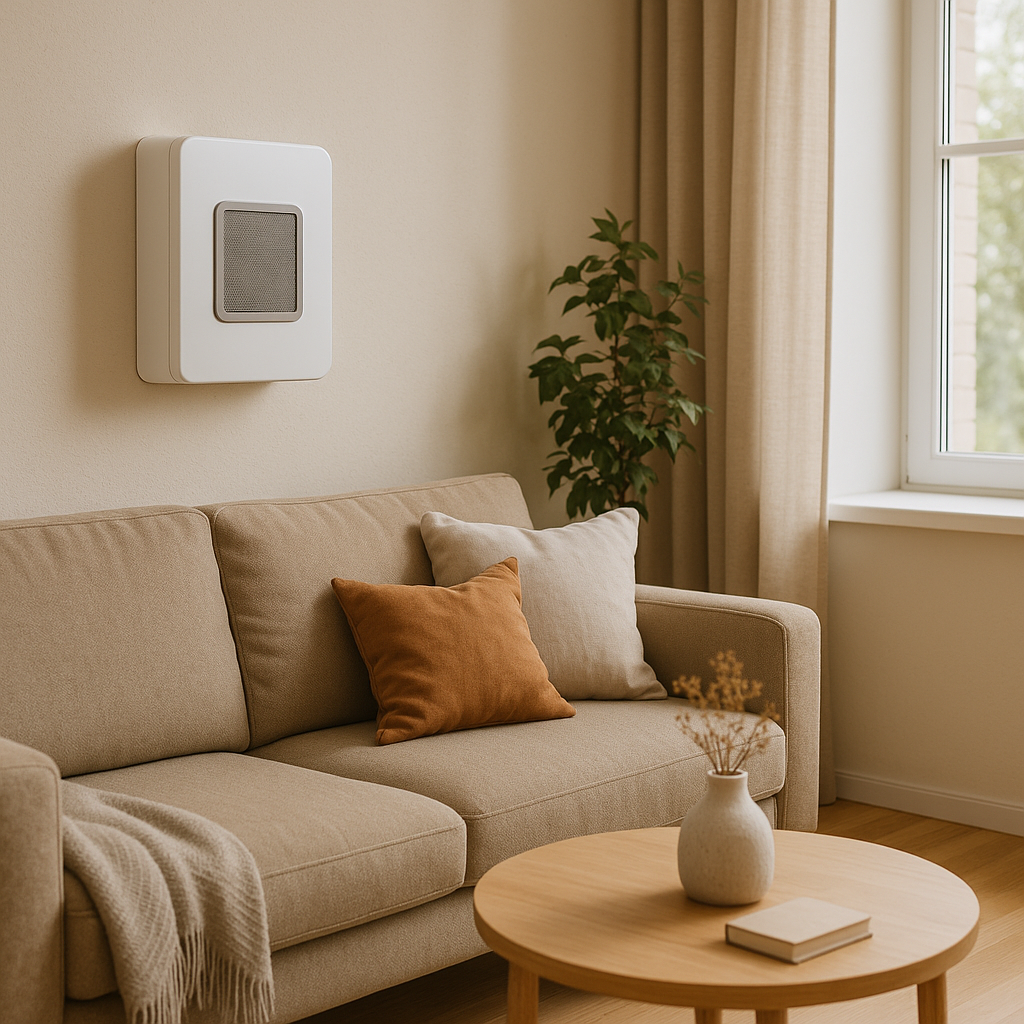
Heat recovery units are modern ventilation systems that not only exchange indoor air, but also retain most of the heat. These systems constantly remove polluted air from inside and supply fresh, filtered air from outside, thus creating balanced ventilation throughout the house.

For people with asthma, recuperators provide several essential benefits:

  • effectively removes indoor pollutants that can cause asthma exacerbations
  • filters the air entering the premises, trapping pollen and other allergens
  • controls humidity levels, inhibiting the development of dust mites and mold
  • ensures constant air flow, reducing CO2 concentration
  • maintains a constant, comfortable temperature without sudden fluctuations

Many Lithuanian allergists and pulmonologists note that patients who are fitted with high-quality recuperation systems report a significant reduction in asthma symptoms and an overall improvement in quality of life.

Effective filtration: the key to reducing allergens

The essence of the efficiency of recuperators is high-quality filtration. Modern recuperator filters are able to trap even the smallest particles, including pollen, dust, and microscopic particles of pollutants.

People with asthma are recommended to choose systems with high-class filters:
A

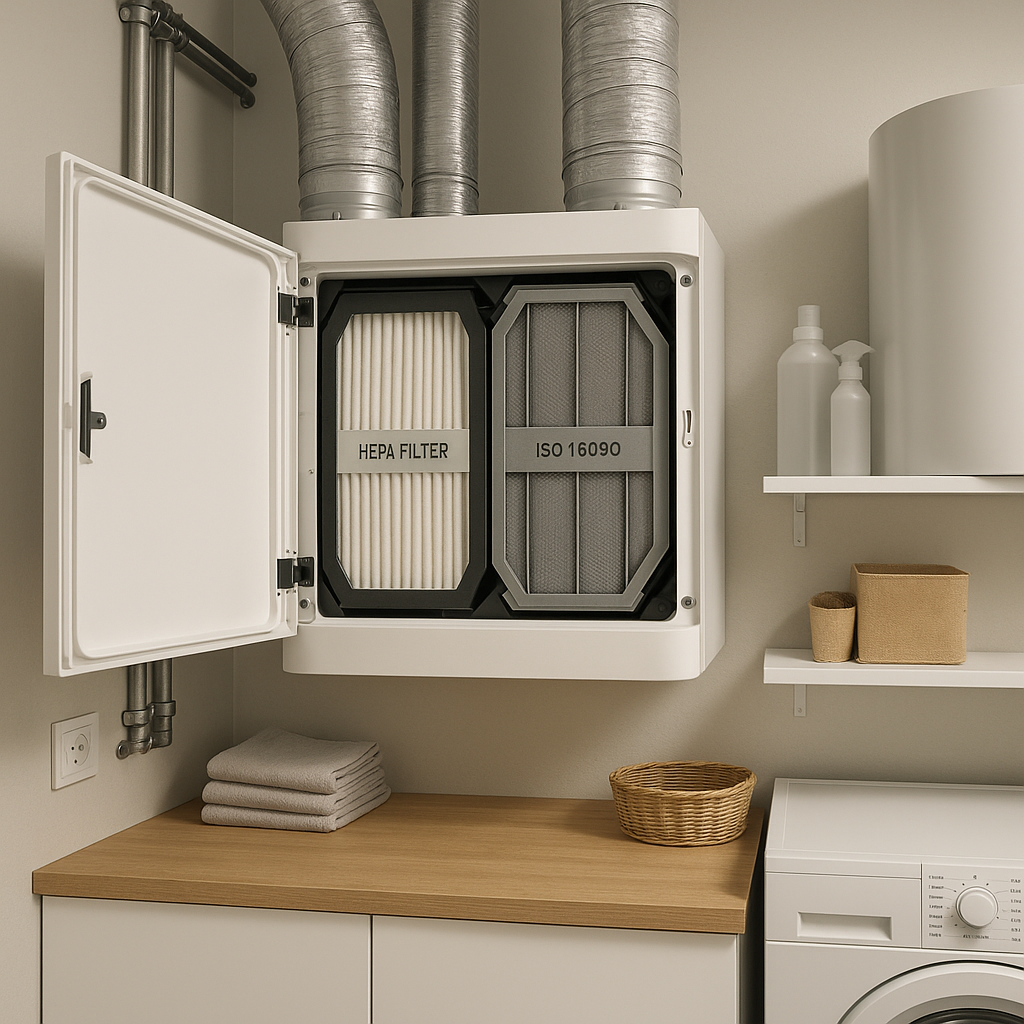
  • HEPA filters – capture 99.97% of particles 0.3 micrometers or larger
  • Filters that meet the ISO 16890 standard – which classifies filters based on their efficiency in trapping particles of different sizes

Komfovent Domekt recuperators feature a particularly efficient filtration system that ensures high air quality. It is worth knowing that /lt/ 10-komfovent-domekt">Komfovent rekuperatoriai have reliable and easily replaceable filters that effectively remove most asthma-provoking allergens.

When comparing standard and premium recuperator filters, the latter usually have a larger filtration area, longer service life, and better particle retention efficiency. For people with asthma, the investment in higher quality filters usually pays off in better well-being and less need for medication.

Maintaining healthy humidity and preventing mold

Recuperators help maintain optimal humidity indoors (35-65%), which is extremely important for asthmatics. When humidity is too high, dust mites and mold thrive in the home - some of the most dangerous asthma triggers. When humidity is too low, mucus dries out, weakening the body's natural protective barrier against infections.

Advanced ventilation systems with humidity and CO2 sensors automatically adjust air flow to maintain optimal humidity. These sensors also signal when more intensive ventilation is needed – for example, after a shower, when cooking or when a large number of people gather.

If you are looking to maximize indoor air quality, it is worth considering upgrading your ventilation system or purchasing quality replacement filters that will effectively trap allergens and other pollutants.

Recuperators and other air purification solutions: which is best for asthma sufferers?

There are many air quality improvement products on the market, but not all are equally effective in managing asthma. Let's compare recuperators with other popular solutions.

  • Recuperators vs. portable air purifiers – While air purifiers can effectively clean the air in a single room, they do not provide air circulation and cannot remove excess moisture. Recuperators work throughout the house and not only clean, but also constantly refresh the air.
  • Recuperators vs. window ventilation – When ventilating through windows, unfiltered air with all its pollutants enters the premises. In winter, such ventilation causes heat loss and temperature fluctuations. Recuperators supply filtered air and maintain a constant temperature.
  • Heat recovery units vs. air conditioners – Air conditioners regulate temperature, but not air quality. They often dry out indoor air and do not create air circulation. Heat recovery units exchange air, maintaining optimal humidity and temperature.
  • Heat exchangers vs. dehumidifiers – Dehumidifiers only solve the problem of humidity, without ensuring other air quality parameters. Heat exchangers comprehensively manage the microclimate.

Lithuanian allergists are increasingly recommending /lt/ ">specialistų rekuperatorių filtrus as the most effective long-term solution for asthma management at home. Unlike point-based solutions, recuperators ensure continuous, systematic air quality control.

Benefits of recuperators for asthma sufferers:

  • filters incoming air, reducing the concentration of pollen, dust and other allergens
  • maintains stable humidity without drying the air too much (unlike air conditioners)
  • ventilates all rooms, not just one room
  • ensures constant air renewal without manual intervention
  • conserves heat, reducing heating bills

Choosing and maintaining the right recuperator for asthma

To ensure maximum benefit for people with asthma, it is important to properly select and maintain a recuperation system. Here are the key factors to consider.

When choosing a recuperator, it is worth considering:

  • Filter type and quality – look for systems that are compatible with HEPA filters or meet the ISO 16890 standard
  • Type of recuperator – plate recuperators are generally better suited for asthmatics due to the lower risk of cross-contamination compared to rotary recuperators
  • Energy efficiency – higher-end systems will reduce operating costs
  • Automatic control options – humidity, CO2 sensors and automatic ventilation intensity adjustment
  • System size and power – tailored to the area of your home and the number of residents

Recuperators from reliable manufacturers (Komfovent, Brink, Zehnder) usually ensure higher quality and longer service life, but most importantly, more effective filtration, which is especially important for asthmatics.

Proper maintenance is the key to the long-term efficiency of the recuperator. Regularly changing filters ensures that the system will continue to effectively remove allergens. People with asthma are recommended /lt/ 10-komfovent-domekt">atnaujinti filtravimo galimybes by choosing the highest quality filters that will effectively trap even the smallest particles.

Expert tips for asthma-friendly home ventilation

To achieve maximum benefit, it is necessary to follow several important recommendations:

  • change filters every 3-6 months (or more often if we live in a particularly dusty environment)
  • choose certified filters (ISO 16890, HEPA) specially designed for the recuperator model
  • schedule regular system inspections by certified technicians
  • Clean air ducts regularly to prevent dust and allergens from accumulating.
  • monitor indoor air quality parameters (humidity, temperature, CO2 level) with special devices

It is important to note that even the best recovery system cannot completely replace other asthma management measures - taking medications, managing the home environment, and avoiding contact with known allergens.

Conclusions

Recuperators are more than just energy-saving ventilation devices. For people with asthma, they can be an important tool to help control the disease and improve quality of life. By effectively removing indoor pollutants, filtering incoming air, and maintaining optimal humidity, recuperators create a healthier home environment.

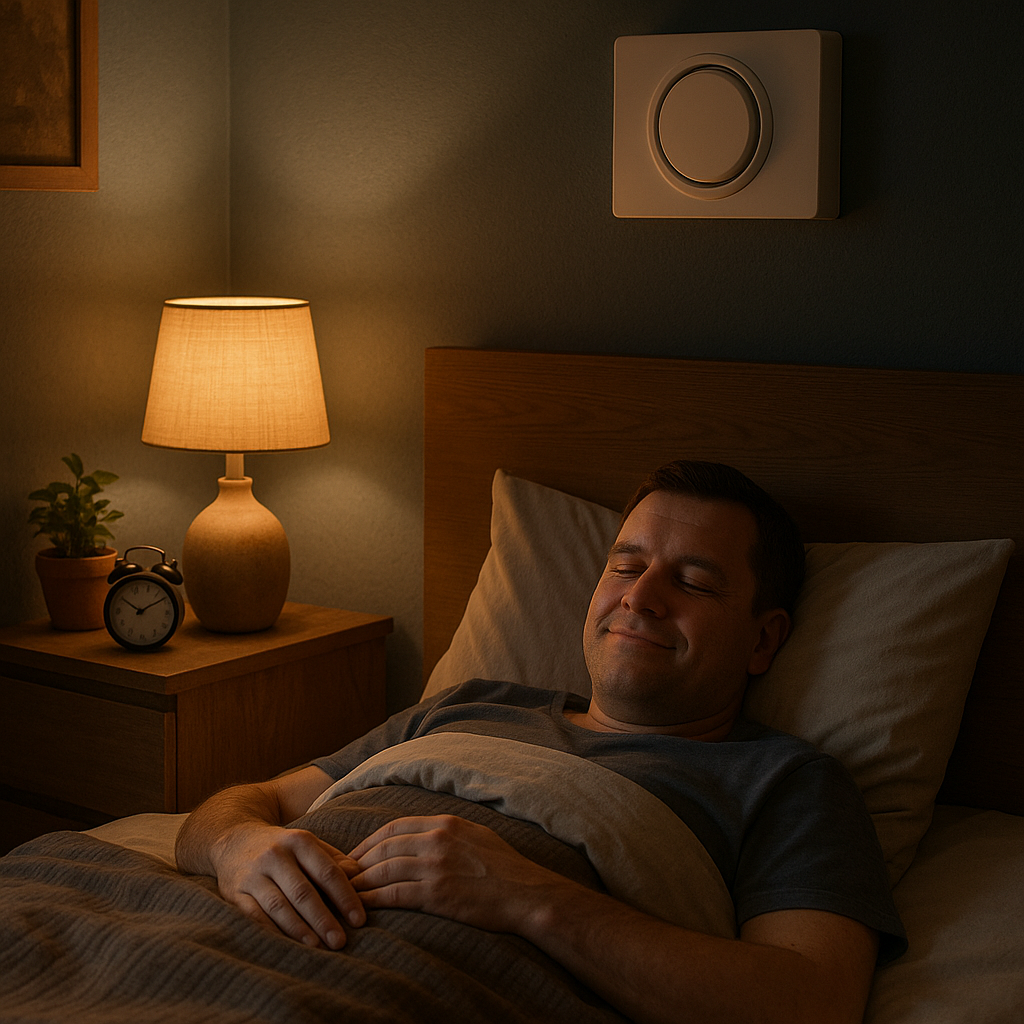
A responsibly selected and properly maintained recuperator can significantly reduce the frequency of asthma attacks, improve sleep quality, and reduce the need for medication.
A
Investing in a quality ventilation system is an investment in health that is especially beneficial for people with asthma.

Regardless of whether you are planning to install a new recuperation system or want to optimize an existing one, regularly update /lt/ 17-rekuperatoriu-filtrai">kokybiškus rekuperatorių filtrus that comply with the ISO 16890 standard, and consult with specialists about the most suitable solutions for your specific conditions.

Frequently asked questions

Can a recuperator completely prevent asthma attacks?

No system can completely eliminate all possible triggers for asthma attacks, but a properly maintained recuperative ventilation system significantly reduces the amount of the most common indoor allergens (dust, mold, pollen) and can significantly reduce the risk and severity of attacks.

How often should I change the filters of my air conditioner if I have asthma?

For best results, replace filters every 3-6 months or as recommended by the manufacturer. More frequent replacement may be necessary in dusty environments or during pollen season.

Is a recuperator better than a portable air purifier for people with asthma?

For a whole house, a recuperator is much more effective because it continuously refreshes and filters the air throughout the house, unlike most portable purifiers that only clean the air in one room.

What type of filter is best for asthma relief?

HEPA or filters tested and certified according to the ISO 16890 standard are the most effective at removing fine particles and allergens that cause asthma symptoms.

Does installing a heat recovery unit increase energy consumption?

No, modern systems with heat recovery are designed to be energy efficient and often reduce heating/cooling costs compared to conventional mechanical ventilation.

 
Was this blog post helpful to you?
Leave a comment
Security code
Loading...
Back to top