Zehnder Heat Recovery Filters: A Comprehensive Guide to Effective Air Filtration
Modern homes are increasingly equipped with recuperative ventilation systems, and Zehnder recuperators stand out for their quality and efficiency. However, even the best system cannot function properly without high-quality filters. Zehnder recuperator filters play a crucial role in ensuring clean indoor air, efficient system operation and durability.

In this comprehensive guide, you will learn about the importance of Zehnder recuperator filters, their types and compatibility with different models, filtration standards, maintenance features and correct replacement intervals. We will also discuss why it is worth choosing certified filters and how they can improve the air quality in your home.
Why choose certified recuperator filters for your Zehnder system?
High-quality filters are one of the most important parts of a heat recovery system, ensuring efficient and safe operation. Not all filters on the market meet the highest quality standards, so when choosing filters for Zehnder heat recovery units, it is important to pay attention to their certification.
Certified filters ensure that your home receives clean air, free from allergens, dust and other pollutants. This is especially important for allergy sufferers, asthma sufferers or families with small children. In addition, high-quality filters help prevent dust accumulation in the ventilation system, extend the life of the equipment and ensure optimal energy consumption.
Zehnder heat recovery filters, tested according to the ISO 16890 standard, guarantee the highest filtration quality.

This standard is an international benchmark for measuring the efficiency of air filters, ensuring that filters will effectively capture particles of various sizes.
The impact of ISO 16890 certification on home air quality
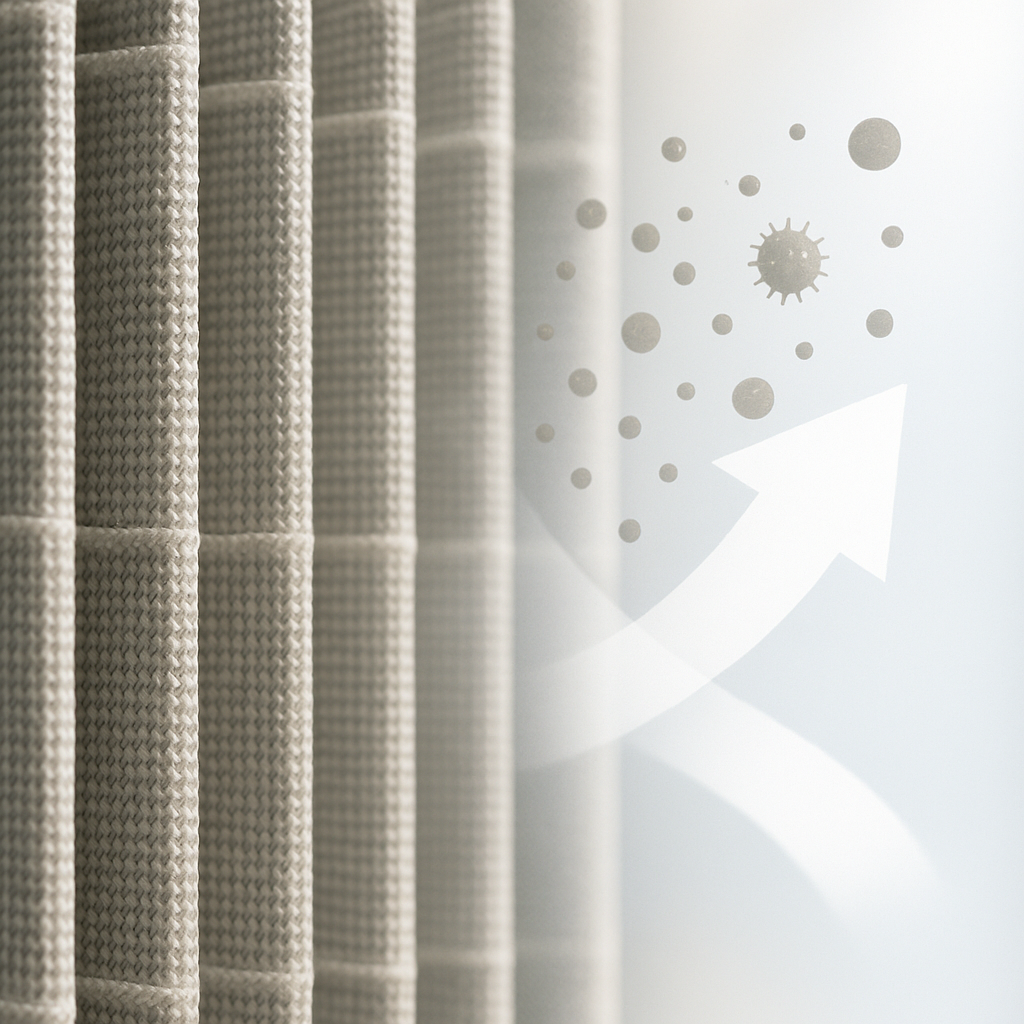
The ISO 16890 standard classifies filters according to their ability to retain particles of different sizes, from coarse dust to fine particles (PM1, PM2.5 and PM10). This standard replaced the previously used EN779 and has become the most reliable indicator of filtration efficiency.
Why is this important for your home? Research shows that fine particles (less than 2.5 micrometers) are the most harmful to human health, as they can penetrate deep into the lungs and even enter the bloodstream. ISO 16890 certified filters, depending on the class, can capture up to 95% or more of these harmful particles.
The filter set suitable for the Zehnder ComfoAir E300/E400 recuperator is the perfect solution for those who want to ensure the highest air quality in their home. These filters are designed specifically for filtering incoming and outgoing air, comply with the ISO 16890 standard and ensure effective protection against pollutants.
Zehnder filter compatibility and types
When choosing the right filters for your ventilation system, it is important to know which Zehnder heat recovery unit model they are compatible with. Different models require different sizes and specifications of filters, so it is important to know their compatibility.
Zehnder manufactures various models of recuperators, including the most popular ComfoAir Q350, Q450, Q600, E300 and E400. Each of them requires filters of specific dimensions and characteristics. For example, ComfoAir Q series models usually use filters of size 500x156x22 mm, while E series models use other dimensions.
There are several types of Zehnder heat recovery filters available on the market:
- original manufacturer filters - the most reliable, but often the most expensive
- certified third-party filters - can match the quality of original filters at a lower price
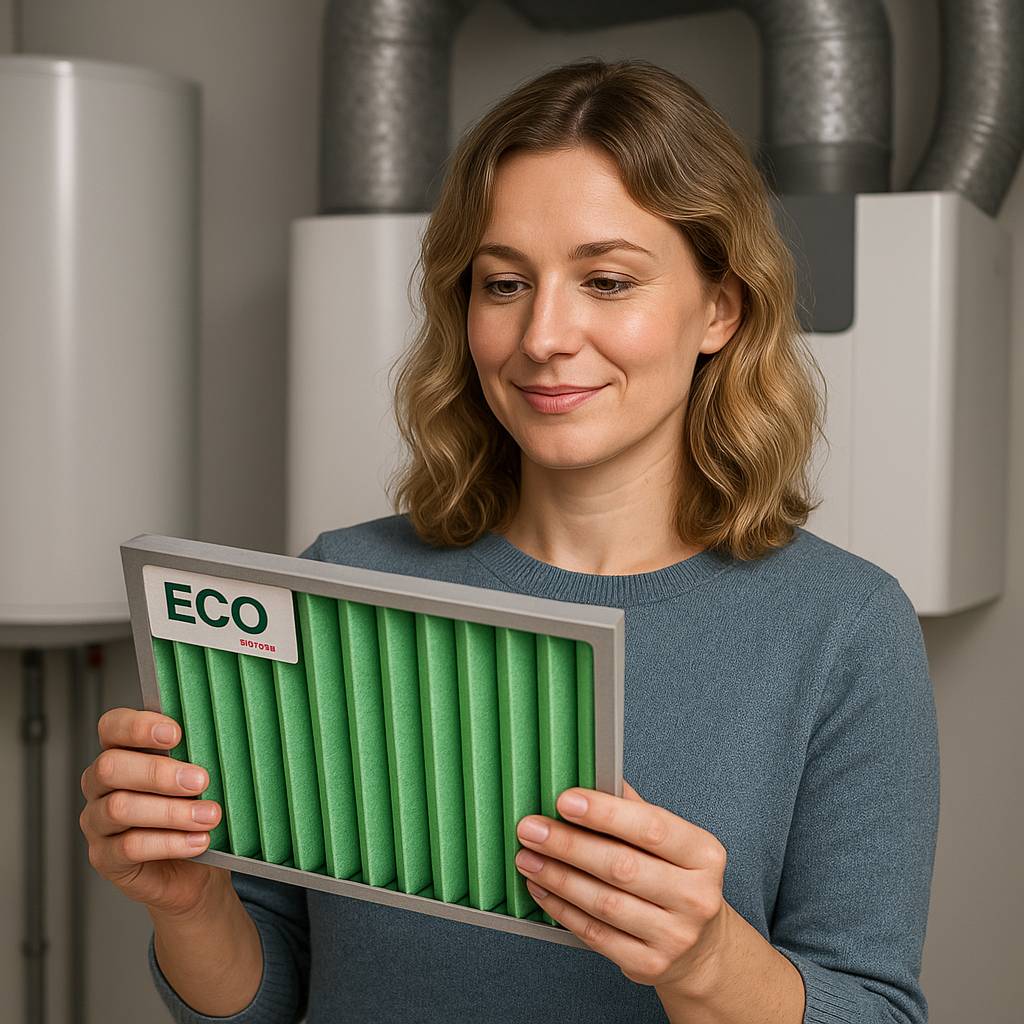
- eco green filters - made from environmentally friendly materials, but without sacrificing filtration quality
When choosing filters, it is important to pay attention to the filtration area - a larger filtration area ensures better air purification and longer filter life. It is also worth considering the filter class (according to the ISO 16890 standard), which determines the size of particles the filter can retain.
How to choose eco-friendly and efficient filters
As environmental awareness grows, more and more consumers are looking for eco-friendly options for recuperator filters. Modern eco-friendly filters are not only less harmful to the environment, but can also offer excellent filtration quality.
When choosing eco-friendly Zehnder filters, you should pay attention to:

- filter materials - are they recyclable, biodegradable
- the production process - whether the most harmful chemicals are not used in production
- filtration area - a larger area means better filtration quality
- the presence of certificates - a high-quality ecological filter should still comply with the ISO 16890 standard
To learn more about choosing the right filters and purchasing high-quality and efficient solutions, it is worth visiting Filtrai1.lt, which offers a wide range of recuperator filters that comply with the ISO 16890 standard.
Maintenance and replacement: how often should Zehnder filters be replaced?
Proper filter maintenance and timely replacement are essential to maintain optimal performance of the recovery system and ensure good air quality in the home. While the specific replacement frequency recommendation depends on various factors, there are general guidelines that are worth following.
It is usually recommended to change Zehnder heat recovery unit filters every 6 months. However, this period may vary depending on:
- environmental pollution (in the city center, more frequent changes may be necessary)
- season (in spring, during pollen season, filters may become dirty faster)
- the number of people in the house and their activities (e.g. if there are animals in the house)
- intensity of use of the recuperator
The main signs that indicate that it is time to change the recuperator filter:
- reduced airflow from ventilation openings
- increased system noise
- visible dirt on the filter
- system alarm message (if such a function is available)
- deteriorated indoor air quality
The process of replacing a heat exchanger filter is quite simple and does not cause difficulties for most homeowners. The main thing is to follow the manufacturer's instructions and not lose the rhythm of changing the filter.
If you have a Zehnder ComfoAir Q350, Q450 or Q600 model, it is worth considering purchasing a filter set with the following specifications: filter dimensions - 500X156X22; made in Lithuania; ECO green; large filtration area. These filters will not only ensure excellent air quality, but will also help your recuperator operate more efficiently.
It is important to remember that regularly changing filters not only improves air quality, but also:
- reduces system energy consumption (dirty filters force fans to work harder)
- extends the service life of the heat exchanger
- reduces the risk of possible failures
- ensures consistently high air quality in the home
Regularly check and replace Zehnder heat recovery filters to ensure your ventilation system operates optimally and your home always has clean air.
Conclusions
Zehnder air handling unit filters are an essential part of your ventilation system, ensuring clean and healthy air in your home. When choosing filters, it is worth considering their compatibility with a specific air handling unit model, compliance with the ISO 16890 standard, filtration area and environmental friendliness.
Regular filter replacement every 6 months or more often (depending on environmental conditions) is essential to maintain optimal system performance and ensure good indoor air quality. Failure to replace filters on time not only worsens air quality, but also increases energy consumption and the risk of system failure.
Investing in a quality, certified Zehnder heat recovery filter is not just an expense - it is an investment in the comfort of your home, the health of your family and the longevity of your heat recovery system.

When choosing filters, always look for reliable suppliers who offer products that comply with the ISO 16890 standard.
Don't forget to create a filter replacement schedule and stick to it - this is the easiest way to ensure that your recuperation system always works optimally and that your home has fresh and healthy air.
Frequently Asked Questions (FAQ)
How do you know when to change the Zehnder heat recovery unit filter?
Look for reduced airflow, dust buildup, or system alerts. Manufacturers typically recommend replacing filters every 3-6 months, but the frequency may vary depending on air quality and usage.
Are all Zehnder heat recovery filters tested according to ISO 16890?
Not all filters are certified, so it is important to choose products that clearly state that they have been tested according to the ISO 16890 standard, which ensures filtration efficiency.
Can ecological or "green" filters match the performance of standard filters?
Yes, many modern eco-friendly filters are designed to meet or even exceed industry standards, providing both environmental and health benefits.
What size or type of replacement filter should I use for my Zehnder ComfoAir Q350?
Always check the model number and refer to product descriptions or supplier specifications to obtain the correct filter dimensions; ComfoAir Q350 typically uses filters measuring 500x156x22 mm.
Is it safe to change Zehnder filters yourself, or should I call a specialist?
Most homeowners can safely replace filters by following the manufacturer's instructions, but professional help may be desirable for system inspections or if you are unsure of the procedure.